


Manual Pull or a Tool? It Depends on the Run
Installing a cable tie looks trivial: thread, pull, cut. But at scale, the difference between hand-tightening and using a cable tie gun shows up as inconsistent tension, cut hands, and failed bundles. This guide compares the two methods on tension consistency, speed, and where each earns its place — plus the tool types, settings, and safety steps that make a gun worthwhile.
The Tool Family
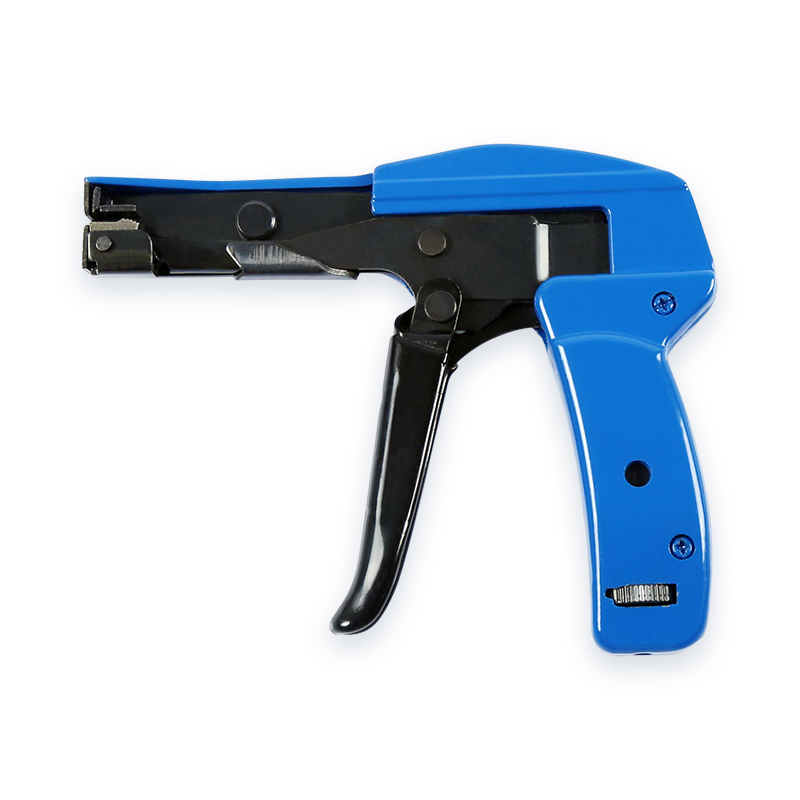
- Manual tensioning tools — a lever pulls the tail to a set tension, then a built-in cutter shears it. The entry point for consistent installs.
- Ratchet guns — click until the preset tension is reached; reliable for medium volumes and most nylon ties.
- Pneumatic / battery guns — for production lines and steel ties; repeatable tension with minimal operator effort.
- Steel-tie specialist tools — heavier jaws and a flush-cut mechanism sized for stainless band width.
The Two Methods, Compared
Tension Consistency: The Biggest Gap
By hand, tension depends on the installer’s grip, fatigue, and mood. One tie is snug, the next is crushing the cable, the next is loose. A cable tie gun applies a set, repeatable tension and then shears the tail automatically. For harnesses that must look and perform identically across hundreds of points, that consistency is the whole reason to use a tool.
Over-tension is the silent killer: it stretches the pawl, embrittles the nylon, and can cut into the cable jacket. Under-tension lets the bundle walk. A gun with an adjustable tension setting removes both failure modes and makes the install inspectable against a spec.
Speed and Ergonomics
For a handful of ties, hands are faster — no tool to pick up. For a production line or a long cable run, a gun wins decisively. The operator threads the tie, squeezes once, and the tail is cut flush in a single motion. Over a day, that saves thousands of repetitive hand motions and the blisters that come with them.
Cut Quality and Safety
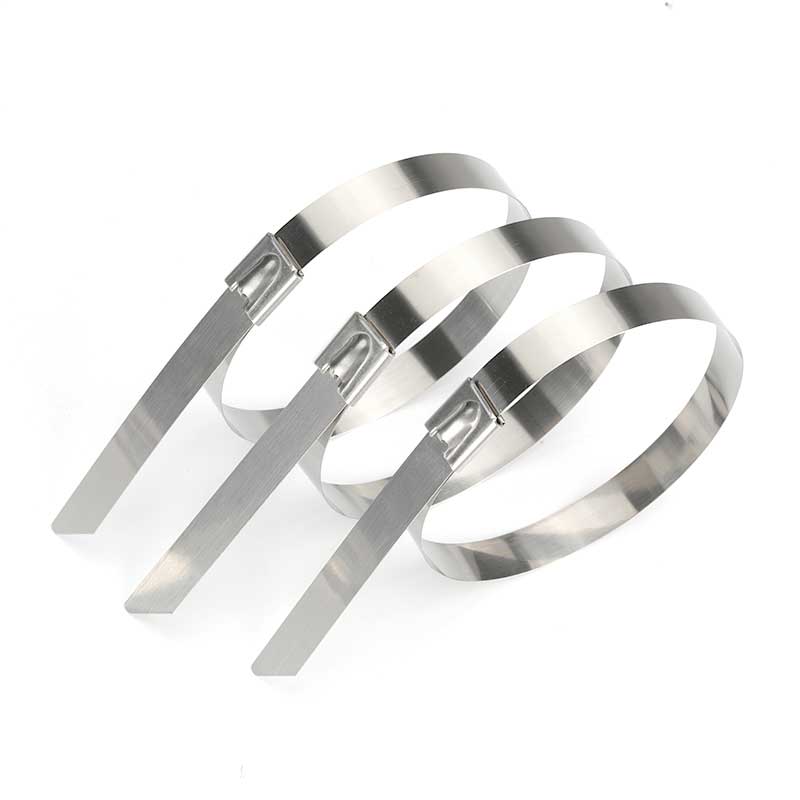
Hand-cut ties with side snips almost always leave a sharp tail that can slice an installer’s hand or abrade a neighboring cable. A proper gun cuts flush and safe. On stainless steel ties, a dedicated cutter is not optional — snips will not give a clean, safe edge and the exposed steel must be cut flush to avoid injury and jacket damage. Always wear cut-resistant gloves when working with steel ties.
Cost Perspective
A gun is an upfront expense, but it pays back in labor minutes and rejected-bundle rework. For any shop doing more than occasional tying, the tool quickly becomes cheaper than the time it saves. For the casual user, a box of good hand-install ties is the rational choice. Frame the decision on volume: below a few hundred ties a month, hands win; above it, a tool wins.
When to Use Each Method
When Manual Installation Is Fine
- Low volume: a few ties on a one-off job.
- Frequently re-worked bundles: use releasable cable ties you can open by hand.
- Delicate or already-terminated wires where you want to feel the tension and avoid over-pulling.
- Field repairs where carrying a tool is impractical.
When to Use a Cable Tie Gun
- Production and assembly lines needing uniform tension across every tie.
- Large bundles where hand strength is not enough for a secure lock.
- Safety-critical or inspected installs (rail, automotive, energy) where tension must be verifiable.
- Stainless steel ties that require a flush, safe cut.
When Not to Use a Gun
For a one-off repair on already-terminated wiring, a gun can over-tension and distort delicate assemblies; hands or a gentle manual tool give you the feel a power tool removes. Keep both methods available and choose by the job, not by habit. On total cost of ownership, beyond the purchase price, factor blade replacements, calibration time, and rework avoided. A gun that cuts rework and injury typically shows a positive return well inside a quarter of regular use, while a cheap tool that drifts costs more in scrap than it saved. Buy the tool rated for your worst-case tie, not your average one.
Using the Gun Properly
Matching the Tool to the Tie
Light nylon ties (up to ~50 lb) use a small manual tensioning tool; heavy-duty and steel ties need a ratchet or pneumatic gun built for the width and tensile rating. Using an undersized tool on a steel tie will not tension it correctly and risks a poor cut. Always match the tool’s rated range to the tie you install, and keep spare blades — a dull cutter leaves ragged tails.
Maintenance and Calibration
A gun is a precision tool. Wipe debris from the jaws after steel-tie work, lubricate the pivot per the manual, and periodically check the tension setting against a calibrated sample. On audited lines, log the check so every batch is traceable. A poorly maintained gun drifts out of tension and quietly undermines the very consistency you bought it for.

Steel Tie Installation in Detail
Stainless ties need a different touch. Route the band through the head, pull tension with the steel-rated tool, and let it cut flush — never leave a ragged tail. The coating should remain intact through installation; a tool that chews the PET skin exposes steel edges that can abrade the cable. After cutting, run a finger (with a glove) along the tail to confirm it is flush and safe before moving on.
Quality Checks on a Gun Install
A good gun install shows uniform snugness across the run, flush tails, and no distorted cable jackets. Spot-check tension with a calibrated sample weekly and log it. If tails start running long or tension drifts, the blade or setting is the first suspect — fix it before an entire batch goes out.
Case Study: A Production Line That Switched
A panel builder hand-tying 40 harnesses a day was averaging inconsistent tension and a steady trickle of rework from loose bundles and cut hands. After moving to ratchet guns with a preset tension and flush cut, rework dropped, glove injuries fell to near zero, and throughput rose because each tie took one motion instead of three. The tool paid for itself in weeks. The lesson generalizes: once volume crosses a threshold, the gun is not a luxury, it is the efficient method.
Buying Checklist
- Match the tool’s rating to your tie width and tensile class.
- Confirm adjustable tension and a flush-cut blade.
- Check spare-blade and die availability.
- Verify ergonomics for the operator’s hand size.
- For steel, insist on a dedicated stainless-rated cutter.
Environmental and Site Notes
Cut tails are sharp litter; a flush gun keeps them short and contained, and on steel they should be collected rather than left on the floor. In cleanrooms or food areas, use ties and tools that meet the site’s contamination rules, and consider detectable ties. Good installation discipline is as much about the site as the bundle.
A Quick Decision Rule
If you only remember one thing: use hands below a few hundred ties a month, and a gun above it. Below the threshold the tool’s cost and setup outweigh the gain; above it, inconsistent tension, cut hands, and rework quietly cost more than the gun ever will. The middle ground — a small ratchet tool — bridges low and medium volume without a big outlay, which is why it is the most common first upgrade from bare hands.
Apply the same rule to the tie choice: reserve stainless steel and its dedicated cutter for the runs where failure is costly, and keep nylon for everything else. Document the volume trigger in the work instruction so the decision does not depend on who happens to be on shift. Over a year, that consistency is what protects both the budget and the bundle.
Standardize Your Tie Installation
Niuli Electric supplies standard, UV-resistant, releasable, and stainless steel cable ties plus the tensioning and cutting tools to install them consistently. Tell us your volume and we will recommend the right tie-and-tool combo.
Frequently Asked Questions
Will any gun work on steel ties?
No — use a tool rated for the steel band width; a nylon gun will not cut stainless cleanly.
Why is my gun leaving long tails?
Dull blade or wrong tension setting; replace the blade and re-dial.
Can I over-tighten with a gun?
Yes, if the setting is too high — that is why you set tension to the tie rating, not to maximum.
