When it comes to soldering, understanding the difference between solder bars and solder paste is essential for selecting the right material for your project. Each has its unique advantages and applications. In this blog, we’ll explore these differences and guide you in choosing the best soldering material for your needs.
What Are Solder Bars?
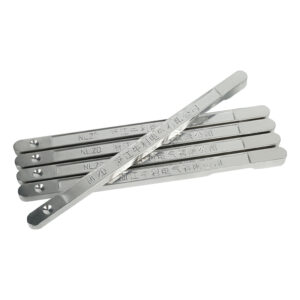
Solder bars are solid forms of solder made from a mixture of metals, typically tin and lead (or tin and silver for lead-free alternatives). They are commonly used in traditional soldering methods, such as wave soldering or hand soldering, where they are melted to form the solder joint.
Key Characteristics of Solder Bars
Solid form: Comes in a bar shape and is melted during the soldering process.
High melting point: Suitable for high-temperature applications.
Used for bulk soldering: Often used in manufacturing environments like PCB production or industrial applications.
Applications
Wave soldering: Solder bars are melted in a solder wave to attach components to a PCB.
Hand soldering: For manual soldering of components that require higher precision.
Large-scale soldering: Suitable for applications that need bulk solder for consistent results.
What is Solder Paste?
Solder paste is a combination of finely powdered solder and flux in a paste-like consistency. It is commonly used in surface-mount technology (SMT) and reflow soldering processes. The flux in the paste helps clean the surface, while the solder melts during the reflow process to form strong electrical connections.
Key Characteristics of Solder Paste
Paste form: Ideal for small components and precision work.
Lower melting point: Ideal for components that require a lower temperature for soldering.
Contains flux: The flux helps improve the solder’s adhesion to the surface and prevents oxidation.
Applications
Surface-mount soldering (SMT): Solder paste is applied to a PCB for attaching small components before reflow soldering.
Reflow soldering: A process where solder paste is heated to form the solder joints.
Precision soldering: Perfect for small-scale or delicate projects.
Key Differences Between Solder Bars and Solder Paste
Characteristic
Solder Bars
Solder Paste
Form
Solid bar
Paste-like consistency
Melting Point
Higher melting point
Lower melting point
Flux Content
No flux (requires external flux)
Contains flux for better adhesion
Applications
Ideal for wave soldering and bulk soldering
Ideal for SMT, reflow soldering, and precision work
Usage
Best for large-scale or hand soldering
Best for surface-mount and small-scale soldering
How to Choose Between Solder Bars and Solder Paste?
The choice between solder bars and solder paste depends on several factors, such as the type of soldering process, the components you’re working with, and the level of precision needed for your project.
For Bulk Soldering: Solder bars are ideal when you need to solder large numbers of components, such as in wave soldering for PCBs or other industrial applications.
For Precision Work: Solder paste is best for applications requiring fine detail, like surface-mount soldering, where precise placement and low melting points are crucial.
If you’re working in a high-volume production environment, solder bars may be the way to go. However, for more delicate projects or when working with small electronic components, solder paste is often the better choice.
Why Choose Niuli Electric’s Soldering Solutions?
Niuli Electric offers top-quality solder bars and solder paste that meet the needs of both industrial and DIY soldering projects. Whether you’re looking for reliable solder bars for bulk soldering or precise solder paste for SMT applications, Niuli Electric has the right solution for you.
Advantages of Niuli Electric’s Soldering Products:
Consistent Quality: Our solder bars and solder paste provide reliable performance for both professional and DIY projects.
Wide Range of Applications: Perfect for large-scale soldering, reflow soldering, and precision soldering.
High-Performance Soldering: Our products are designed to offer excellent flow and adhesion, ensuring strong and durable joints.
Easy to Use: Both solder bars and solder paste are easy to apply, offering smooth and clean soldering results every time.
FAQs
Q:Can I use solder paste with solder bars?
Yes, solder paste can be used alongside solder bars in certain applications. However, solder paste is typically used for small-scale or surface-mount soldering, while solder bars are best for bulk soldering or wave soldering.
Q:How do I store solder paste?
Solder paste should be stored in a cool environment, typically between 0°C and 10°C, and should be sealed tightly to prevent it from drying out. Always check the expiry date before use.
Q:What is the difference in melting points between solder bars and solder paste?
Solder bars generally have a higher melting point, which makes them suitable for high-temperature soldering applications, while solder paste has a lower melting point, ideal for precision soldering with small components.
Q:Can solder paste be used for hand soldering?
While solder paste is typically used for reflow soldering, it can be used for hand soldering as well. However, it requires a heat source to melt the paste effectively.
Q:How do I choose the right solder for my project?
Consider the size and type of components, the required temperature, and whether you need precision. Solder paste is great for fine work, while solder bars are ideal for bulk soldering or larger components.
Conclusion
Choosing between solder bars and solder paste ultimately depends on the specific needs of your project. Whether you are working on large-scale soldering or fine, precision work, Niuli Electric has the right soldering products for you. Choose Niuli Electric for reliable, high-quality soldering solutions that guarantee strong and durable joints.