


Introduction
Good solder wetting is critical because it determines how effectively the solder bonds to:
- PCB pads
- Component leads
- Connectors
- Metal terminals
Proper wetting creates:
- Smooth solder fillets
- Strong conductivity
- Reliable mechanical support
Poor wetting may result in:
- Cold joints
- Non-wetting
- Dewetting
- Cracked solder joints
In high-volume production lines, poor wetting can dramatically increase defect rates and rework costs.
Humans built machines capable of microscopic precision and still lose production efficiency because melted metal refuses to spread correctly. Manufacturing is both advanced science and controlled panic.
What Is a Tin Lead Solder Bar?
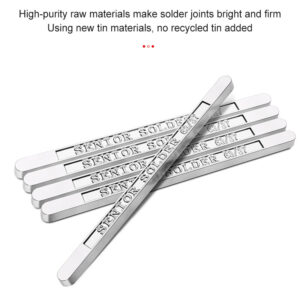
A tin lead solder bar is a solid solder alloy mainly composed of:
- Tin (Sn)
- Lead (Pb)
It is commonly used in:
- Wave soldering
- Dip soldering
- PCB assembly
- Electronic manufacturing
- Industrial soldering systems
Popular alloy ratios include:
- Sn60/Pb40
- Sn63/Pb37
Tin lead solder bars are valued for:
- Stable melting points
- Excellent solderability
- Good conductivity
- Smooth solder flow
- Reliable joint formation
👉 Explore professional tin lead solder bar solutions here:
https://www.cabletienylon.com/product/tin-lead-solder-bar/
What Is Wetting Performance in Soldering?
Wetting performance refers to how well molten solder spreads across a metal surface during soldering.
Good wetting allows solder to:
- Flow smoothly
- Cover metal surfaces evenly
- Form strong metallurgical bonds
Poor wetting may cause:
- Weak solder joints
- Insufficient bonding
- High electrical resistance
- Solder defects
In PCB manufacturing, wetting performance directly affects:
- Product reliability
- Signal stability
- Mechanical strength
- Production consistency
Why Wetting Performance Matters
Good solder wetting is critical because it determines how effectively the solder bonds to:
- PCB pads
- Component leads
- Connectors
- Metal terminals
Proper wetting creates:
- Smooth solder fillets
- Strong conductivity
- Reliable mechanical support
Poor wetting may result in:
- Cold joints
- Non-wetting
- Dewetting
- Cracked solder joints
In high-volume production lines, poor wetting can dramatically increase defect rates and rework costs.
Humans built machines capable of microscopic precision and still lose production efficiency because melted metal refuses to spread correctly. Manufacturing is both advanced science and controlled panic. 🔬
How Tin Lead Solder Bars Improve Wetting Performance
Lower Melting Temperature
Tin lead solder bars typically melt at lower temperatures than lead-free alternatives.
For example:
- Sn63/Pb37 eutectic solder melts at 183°C
Lower melting temperatures help:
- Improve solder flow
- Reduce thermal stress
- Enhance surface wetting
- Protect sensitive components
Stable melting behaviour also improves production consistency in wave soldering systems.
Better Fluidity and Solder Flow
Tin lead solder provides excellent fluidity during molten states.
Good solder flow helps:
- Fill solder joints evenly
- Reduce void formation
- Improve pad coverage
- Create smoother solder fillets
This is especially important in:
- Fine-pitch PCB assembly
- High-density electronics
- Automated wave soldering
Improved fluidity reduces the risk of incomplete solder joints.
Reduced Oxidation During Soldering
Oxidation negatively affects solder wetting.
High-quality tin lead solder bars help reduce:
- Surface oxidation
- Dross formation
- Poor wetting defects
Lower oxidation improves:
- Solder spreadability
- Joint consistency
- Surface appearance
Professional solder bars with high-purity alloy composition typically perform more consistently during long production cycles.
Stable Alloy Composition
Consistent alloy ratios improve soldering reliability.
Poor-quality solder bars may contain:
- Impurities
- Inconsistent alloy composition
- Excess oxidation
These issues may reduce:
- Wetting performance
- Conductivity
- Joint reliability
Reliable solder bar manufacturers maintain strict alloy quality control to ensure stable soldering performance.
How Tin Lead Solder Bars Affect Joint Strength
Wetting performance and joint strength are closely connected.
Good wetting creates stronger metallurgical bonding between solder and metal surfaces.
Stronger Mechanical Bonding
Proper solder flow creates:
- Better adhesion
- Full joint coverage
- Stronger structural support
Strong solder joints resist:
- Vibration
- Thermal cycling
- Mechanical stress
This is especially important in:
- Automotive electronics
- Industrial controls
- Power systems
Improved Electrical Conductivity
Good solder joints reduce electrical resistance.
Poor wetting may create:
- Signal instability
- Voltage drops
- Excessive heat generation
Reliable tin lead solder bars help maintain stable electrical connections.
Reduced Void Formation
Voids are trapped air pockets inside solder joints.
Excessive voids weaken:
- Mechanical strength
- Heat transfer
- Electrical reliability
High-quality solder bars with proper wetting performance help minimise void formation during wave soldering.
Factors That Influence Wetting Performance
Several factors affect solder wetting quality.
Soldering Temperature
Incorrect temperature may cause:
- Poor flow
- Oxidation
- Cold solder joints
Typical wave soldering temperatures for tin lead solder:
- Around 240°C to 260°C
Surface Cleanliness
Dirty or oxidised surfaces reduce solderability.
Proper cleaning improves:
- Wetting
- Adhesion
- Joint consistency
Flux Quality
Flux removes oxidation and improves solder spreading.
Poor flux performance may cause:
- Non-wetting
- Residue problems
- Joint defects
Alloy Purity
High-purity solder bars produce:
- Better wetting
- Lower oxidation
- More stable soldering behaviour
Tin Lead Solder Bar vs Lead-Free Solder Bar
Wetting Performance
Tin lead solder generally offers:
- Faster wetting
- Better flow
- Easier soldering
Winner: Tin Lead Solder
Melting Temperature
Tin lead solder has a lower melting point than lead-free solder.
This reduces:
- Thermal stress
- Component damage risk
Winner: Tin Lead Solder
Environmental Compliance
Lead-free solder supports:
- RoHS compliance
- Environmental regulations
Winner: Lead-Free Solder
Ease of Manufacturing
Tin lead solder remains easier to process in many production environments.
Winner: Tin Lead Solder
Common Applications of Tin Lead Solder Bars
Tin lead solder bars are widely used in:
- Wave soldering systems
- PCB assembly
- Transformer manufacturing
- Electronic component soldering
- Industrial electronics
- Appliance manufacturing
They remain popular in industries requiring stable soldering performance and reliable wetting behaviour.
How to Choose High-Quality Tin Lead Solder Bars
When selecting solder bars, consider:
- Alloy ratio
- Purity level
- Oxidation resistance
- Wetting performance
- Dross generation
- Production stability
Reliable solder bars should provide:
- Smooth solder flow
- Stable melting
- Low impurity content
- Strong solder joints
Professional manufacturers usually offer:
- Multiple alloy options
- OEM support
- Stable production quality
- Industrial-grade testing
👉 Explore Niuli tin lead solder bar products here:
https://www.cabletienylon.com/product/tin-lead-solder-bar/
Common Soldering Problems Related to Poor Wetting
Cold Solder Joints
Usually caused by:
- Insufficient heat
- Poor wetting
- Surface contamination
Dewetting
Occurs when solder pulls away from the surface instead of bonding properly.
Excessive Dross Formation
Oxidation may increase solder waste and reduce soldering efficiency.
FAQs
What is solder wetting?
Solder wetting describes how well molten solder spreads and bonds to a metal surface.
Why is wetting important in soldering?
Good wetting creates strong electrical and mechanical solder joints.
Do tin lead solder bars provide better wetting?
Yes. Tin lead solder typically offers excellent wetting and smoother solder flow compared with many lead-free alloys.
What causes poor solder wetting?
Common causes include oxidation, incorrect temperature, dirty surfaces, and poor-quality solder.
What alloy is commonly used in tin lead solder bars?
Common alloys include Sn60/Pb40 and Sn63/Pb37.
Conclusion
Tin lead solder bars continue to play a major role in electronics manufacturing because of their excellent wetting performance and reliable joint strength.
Stable alloy composition, low melting temperatures, and smooth solder flow help manufacturers achieve stronger solder joints, lower defect rates, and more consistent production quality.
Although lead-free technologies continue to grow, tin lead solder bars remain widely valued in many industrial soldering applications where stable wetting and reliable soldering performance are critical.
Choosing high-quality solder bars helps improve production efficiency, electrical reliability, and long-term product durability.
