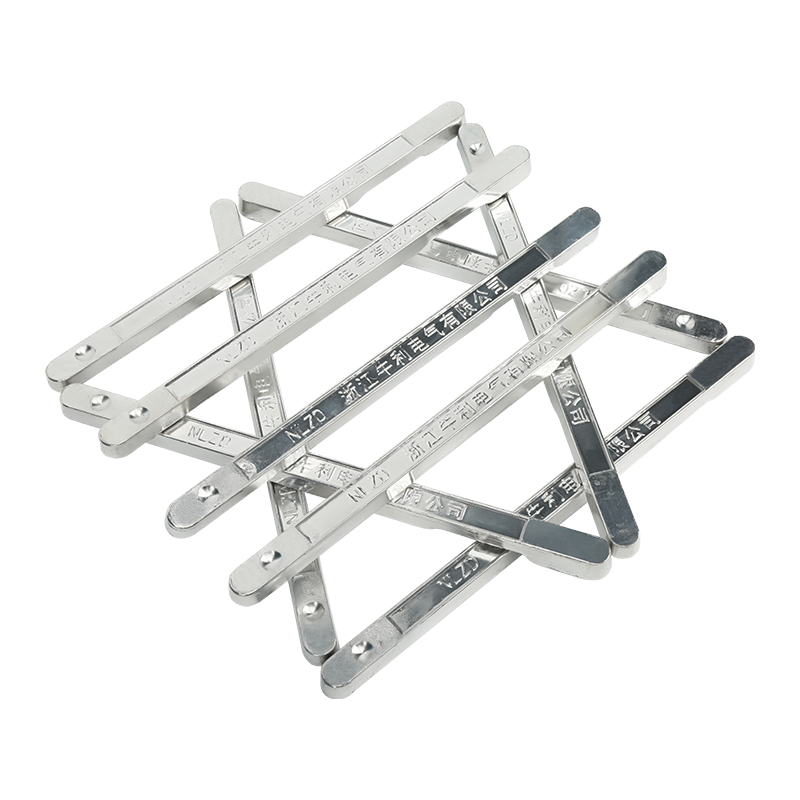
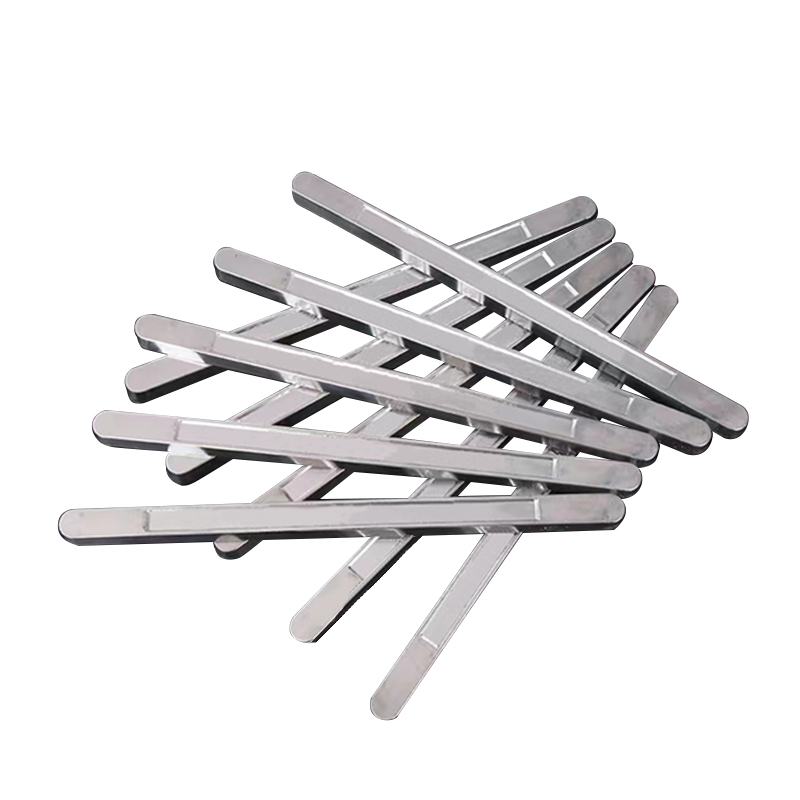
1.Material: Tin(Sn) and other alloy (Sn/Cu,Sn/Ag,Sn/Sb,Sn/Bi,Sn/Ag/Cu,Sn/Ag/In/Ce,Sn/Sb/Bi, etc.)
2.Features: Lead free, environmentally friendly, smooth solder joint, low melting point, strong welding, no cleaning, less smoke and peculiar smell, accurate tin and alloy content, stable quality.
3.Weight: for one piece, 500 grams, 1 kg, 2 kg, other weight can be customized.
4.Certificates: CE, RoHS
Niuli Lead-Free Solder Bars are designed for wave soldering, selective soldering, dip soldering and solder-pot replenishment. Multiple tin-based alloys are available, including SAC305, SAC0307, Sn99.3Cu0.7 and customized compositions, allowing customers to balance solderability, reliability and material cost.
Lead-free solder alloys can look identical while containing very different amounts of silver, copper and other elements. We control alloy composition according to the ordered specification. COA and composition reports can be provided by batch, helping customers verify the actual alloy supplied.
SAC305 — Sn96.5% Ag3.0% Cu0.5%
Widely used in electronics assembly where good wetting, solderability and reliable joint performance are required. Typical melting range: 217–220°C.
SAC0307 — Sn99% Ag0.3% Cu0.7%
A lower-silver alternative that reduces alloy cost while remaining suitable for wave and selective soldering. Typical melting range: 217–227°C.
Sn99.3% Cu0.7%
A silver-free, cost-effective lead-free alloy for wave soldering, dip soldering and general solder-pot applications. Melting point: approximately 227°C.
Other alloys can be supplied according to customer requirements.
High-purity solder and controlled alloy composition help support consistent molten-solder behavior. Actual wetting, bridging and dross generation also depend on flux, solder-pot temperature, equipment settings, contamination and process conditions, so alloy selection should be considered together with the complete soldering process.
During long-term wave soldering, copper and other contaminants can gradually accumulate in the solder pot and affect soldering performance. Regular solder-bath analysis and correct replenishment help maintain alloy composition and reduce risks such as poor wetting, bridging and rework.
Depending on specification and market requirements, documentation can include:
COA · Alloy Composition Report · SDS · RoHS Documentation · REACH Information
For electronic-grade solder requiring IPC J-STD-006 or another standard, please provide the required specification before ordering.
| Model | Alloy Content | Melting Point(℃) | Working Temperature(℃) | Main Advantage | Typical Use |
| SnCu0.7 | 99.3% Sn, 0.7% Cu | 227 | 260-280 | Silver-free / economical | Wave / Solder Pot |
| Sn99.95%+ | 99.95%+ Sn | 232 | 265-280 | High-purity industrial applications. | Alloy production, solder-bath composition adjustment, dip tinning and |
| SnAg0.3Cu0.7 | 99% Sn, 0.3% Ag, 0.7% Cu | 227 | 260-280 | Lower Ag cost | Wave / Selective |
| SnAg3.0Cu0.5 | 96.5% Sn, 3% Ag, 0.5% Cu | 227 | 260-280 | Good wetting & reliability | Wave / Selective |
| Sn95Sb5 | 95% Sn, 5% Pb | 240 | 280-300 | Higher-temperature alloy | Industrial |
| Custom | Custom Alloy | – | – | Application-specific | On request |
| Buyer Problem | Niuli Solution |
|---|---|
| Silver content lower than quoted | Batch composition verification |
| SAC305 cost is too high | Low-Ag / Ag-free alloy options |
| Poor wetting or bridging | Application-based alloy selection |
| Excessive dross | High-purity alloy + process guidance |
| Solder-pot composition drifts | COA + bath-analysis recommendation |
| Lead-free pot contamination | Clear alloy marking & batch traceability |
Check Cu, Pb and other impurity levels periodically.
Do not mix SnPb solder with a lead-free solder bath.
Use the specified solder bar or replenishment alloy to maintain bath composition.
SAC305 is widely used where solderability and reliability are priorities, while SAC0307 or SnCu alloys can provide lower-cost alternatives for appropriate processes.
SAC305 typically melts over approximately 217–220°C.
The main difference is silver content: SAC305 contains about 3.0% Ag, while SAC0307 contains about 0.3% Ag, affecting both cost and soldering behavior.
Yes. Lead-free solder bars are primarily supplied for wave, selective and solder-pot applications.
Yes. COA and batch composition reports can be provided according to order requirements.
RoHS-compliant lead-free alloys are available. Exact compliance should be confirmed according to the alloy specification and batch documentation.
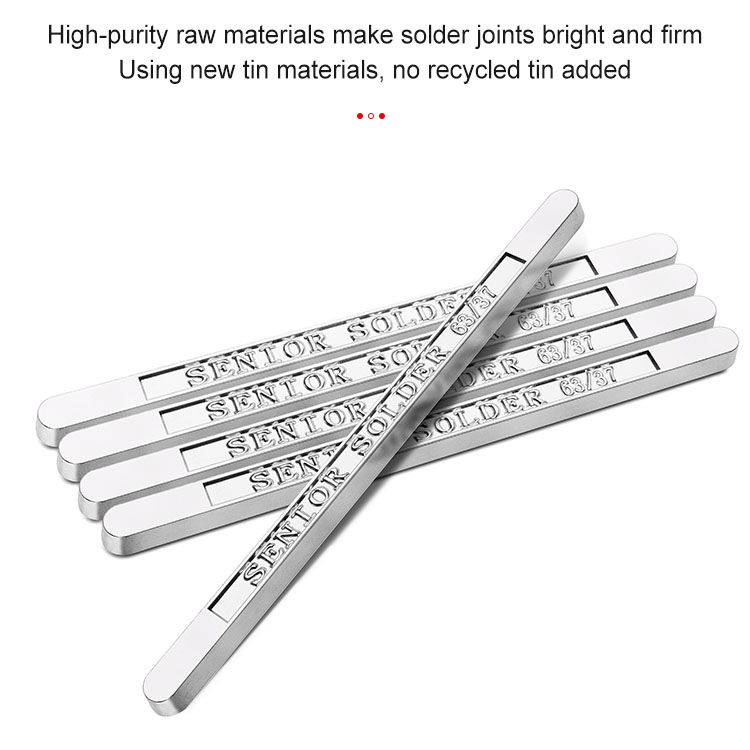
Composition-controlled Sn/Pb solder bars available from Sn63Pb37 to high-lead alloys for wave soldering, dip soldering, tinning and industrial solder-pot applications.
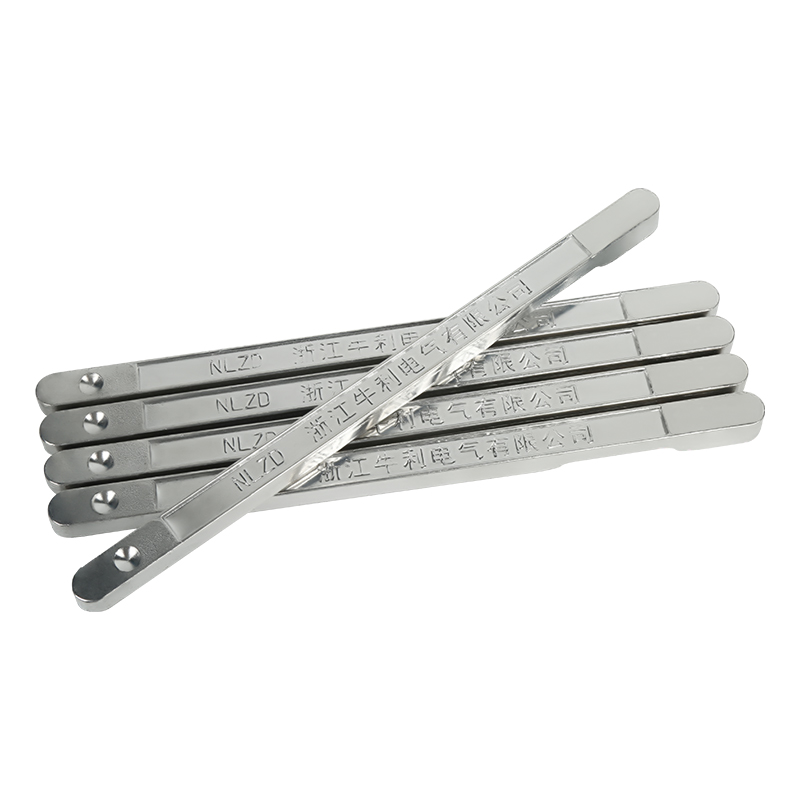
High-purity lead-free solder bars available in SAC, SnCu and other tin-based alloys for wave soldering, selective soldering and solder-pot applications.
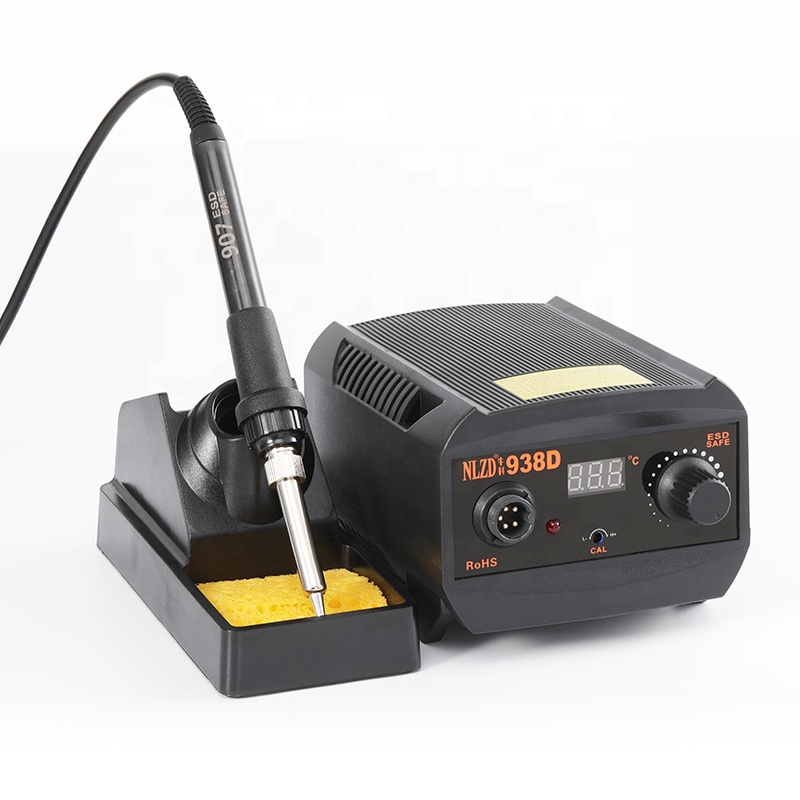
Features: 200-500 ℃ temperature adjustment, fast temperature recovery, anti-static, sufficient variable voltage full power, safety control
Products: power station, iron stand, clean sponge, soldering iron handle.
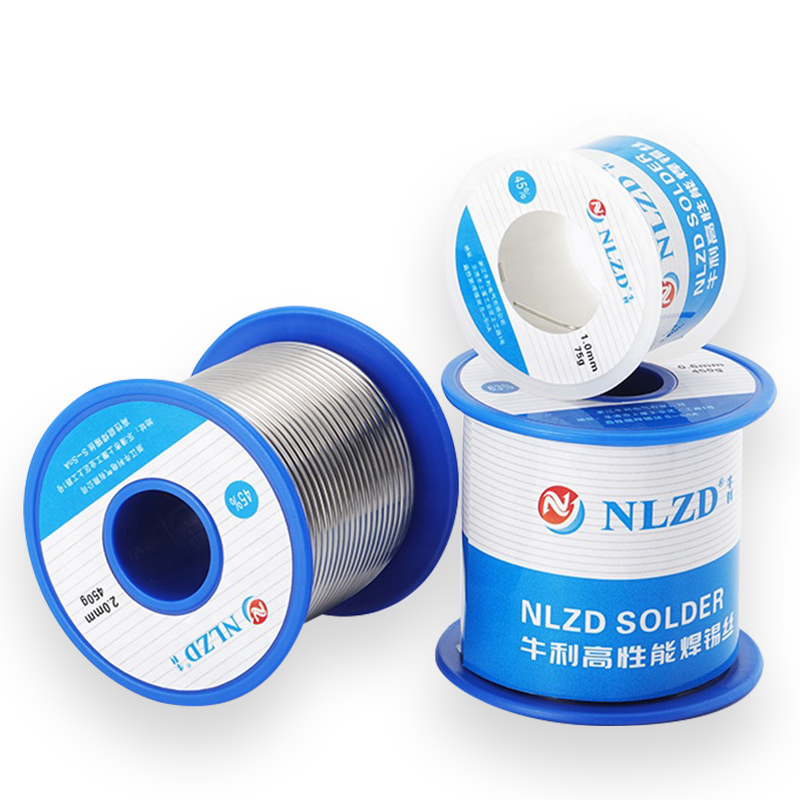
Flux-cored tin-lead solder wire available in Sn63Pb37, Sn60Pb40 and other Sn/Pb ratios, with controlled alloy composition, consistent wire diameter and customized flux options for reliable soldering.
 Optimized by Seraphinite Accelerator