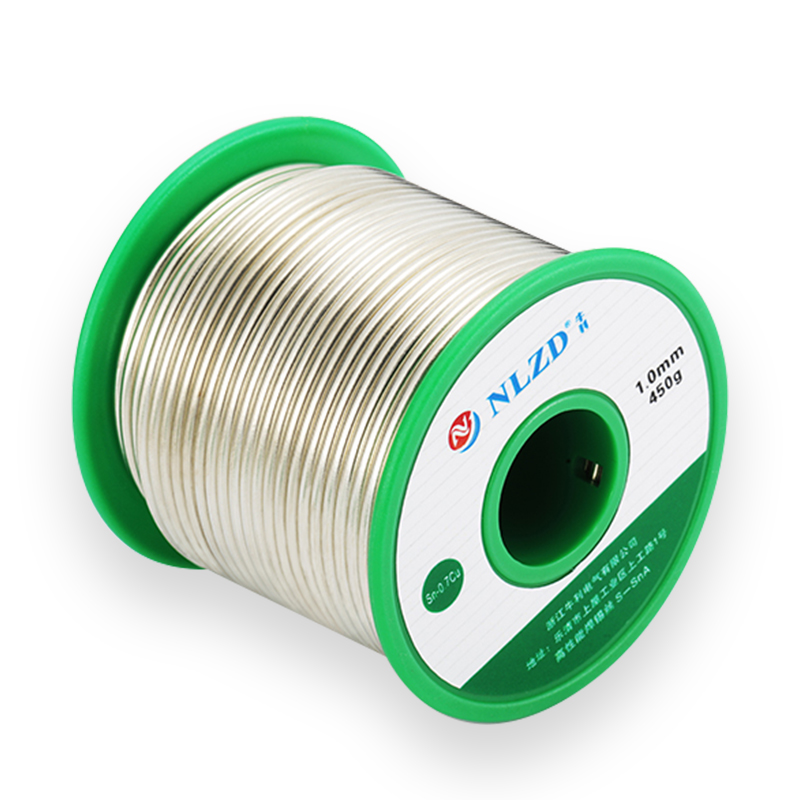
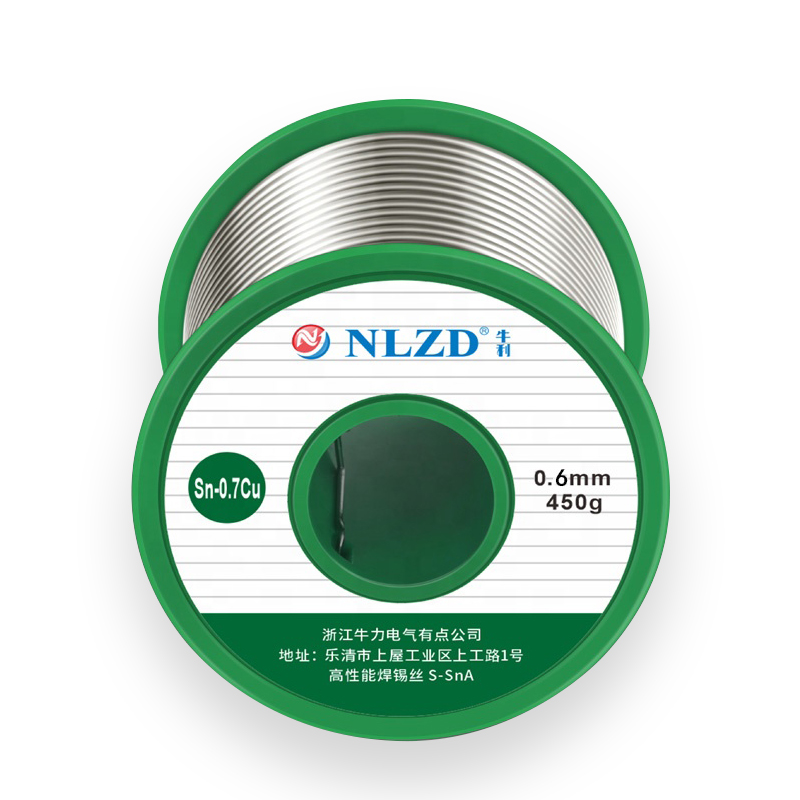
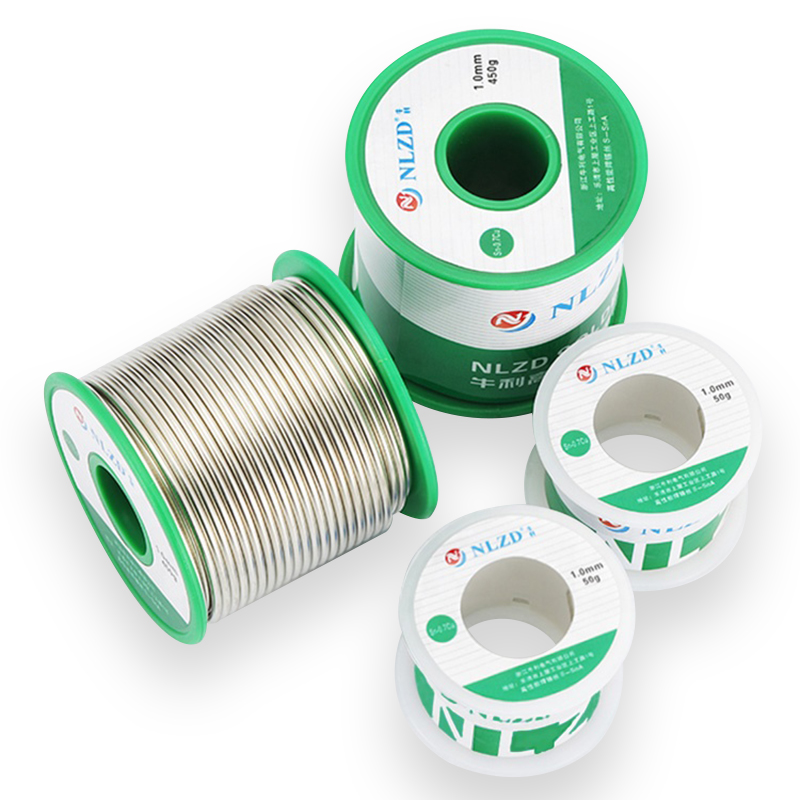
1.Material: Tin(Sn) and other alloy
2.Features: Lead free, environmentally friendly, smooth solder joint, low melting point, strong welding, no cleaning, less smoke and peculiar smell, accurate tin and alloy content, stable quality.
3.Diameter: 0.5mm, 0.6mm, 0.8mm, 1mm, 1.2mm, 1.6mm, 2mm, 3mm, other diameter can be customized.
4.Weight: for one roll, 10 grams, 50 grams, 100 grams, 450 grams, 500 grams, 900 grams, 1 kg, other weight can be customized.
5.Certificates: CE, RoHS
Niuli Lead-Free Solder Wire is available in multiple tin-based alloy compositions for electronics, electrical assembly, repair and industrial soldering applications.
Options include Sn-Ag-Cu (SAC), Sn-Cu, Sn-Ag, Sn-Bi, Sn-Sb and other customized alloys, allowing customers to select the appropriate melting temperature, solderability, cost and joint performance for their application.
Different lead-free solder alloys can look almost identical but have very different material costs and soldering performance.
We control the content of tin and other alloying elements according to the ordered specification. COA, composition reports and third-party testing can be provided according to order requirements, helping customers verify that the supplied alloy matches the specified grade.
SAC305 (Sn96.5Ag3.0Cu0.5)
A widely used lead-free alloy for electronics assembly, providing good wetting and reliable solder-joint performance.
Sn99.3Cu0.7
A cost-effective silver-free option commonly used for general electrical and electronic soldering.
Sn-Bi Alloys
Suitable where a significantly lower soldering temperature is required.
Sn-Sb Alloys
Available for applications requiring higher-temperature solder performance.
Other alloy compositions can be supplied according to customer requirements.
Flux-cored versions are available with formulations selected for different soldering requirements.
Depending on specification, options can provide fast wetting, low residue, no-clean processing and controlled spatter.
For electronics applications, the alloy, flux chemistry and flux percentage should be selected together rather than choosing solder wire only by tin content.
Wire diameter consistency is important for both manual and automated solder feeding.
Niuli solder wire is available from 0.5 mm to 3.0 mm, with customized diameters and spool weights available for different production requirements.
Suitable for:
Depending on product specification and market requirements, documentation can include:
RoHS compliance documentation · REACH information · SDS · COA · Alloy composition report
For electronic-grade applications requiring a specific IPC standard or flux classification, please provide the required standard before ordering so that the appropriate product can be confirmed.
| Item No. | Alloy content | Melting point | Strength | Extension | |
| ℃ | ℉ | Kgf/mm2 | – | ||
| Sn-3Ag | 97% Sn, 3% Ag | 221–230 | 430–446 | 4.7 | 33% |
| Sn-3.5Ag | 96.5% Sn, 3.5% Ag | 221 | 430 | 4.7 | 33% |
| Sn-4Ag | 96% Sn, 4% Ag | 221–235 | 430–455 | 4.7 | 33% |
| Sn-0.7Cu | 99.3% Sn, 0.7% Cu | 227 | 441 | 3.3 | – |
| Sn-1Cu | 99% Sn, 1% Cu | 227–240 | 441–464 | 3.3 | – |
| Sn-3Cu | 97% Sn, 3% Cu | 227–320 | 441–608 | 3.3 | – |
| Sn-5Sb | 95% Sn, 5% Sb | 230–240 | 446–464 | 4.7 | 38% |
| Sn-58Bi | 42% Sn, 58% Bi | 138 | 280 | 7.6 | 33% |
| Sn-0.3Ag-0.7Cu | 99% Sn, 0.3% Ag, 0.7% Cu | 210–230 | 410–446 | 5.3 | 27% |
| Sn-3Ag-0.5Cu | 96.5% Sn, 3% Ag, 0.5% Cu | 217–220 | 422–428 | 5.3 | 27% |
| Sn-4Ag-0.5Cu | 95.5% Sn, 4% Ag, 0.5% Cu | 217–223 | 422–433 | 5.3 | 27% |
| Sn-100 | 99.99% Sn | 232 | 450 | 1.9 | – |
| Sn-0.7Cu-Ni | 99.3% Sn, 0.7% Cu, Ni | 227–240 | 441–464 | 3.3 | – |
| Sn-Ag-In-Ce | Sn, Ag, In, Ce | 180 | 356 | – | – |
| Sn-Ag-Cu-Sb | Sn, Ag, Cu, Sb | 200–230 | 392–446 | – | – |
| Alloy | Main Advantage | Typical Application |
|---|---|---|
| SAC305 | Balanced solderability & reliability | Electronics / PCB |
| Sn99.3Cu0.7 | Silver-free / cost-effective | General electronics |
| SnAg | Good soldering performance | Electronics |
| SnBi | Low-temperature soldering | Heat-sensitive assemblies |
| SnSb | Higher-temperature performance | Industrial applications |
| Buyer Concern | Niuli Solution |
|---|---|
| Alloy supplied does not match quotation | Composition control + COA/test report |
| Poor wetting / difficult soldering | Suitable alloy + flux formulation |
| Excessive spatter or residue | No-clean / controlled-spatter flux options |
| Robotic feeder jams | Consistent diameter & winding |
| Lead-free alloy costs vary widely | Clear alloy composition on every quotation |
| Compliance documents required | RoHS / REACH / SDS / COA support |
SAC305 is widely used for electronics, while Sn99.3Cu0.7 offers a lower-cost silver-free option. SnBi is suitable for low-temperature soldering, while other alloys serve different requirements.
It depends on the alloy. For example, SAC305 melts around 217–220°C, while Sn-Bi alloys can melt at substantially lower temperatures.
Yes. No-clean flux-cored options are available depending on the required alloy and soldering process.
COA, composition reports and third-party testing can be provided according to order requirements.
Standard diameters range from 0.5 mm to 3.0 mm, with customized sizes available.
RoHS-compliant lead-free options are available. Compliance should be confirmed according to the exact alloy and specification.
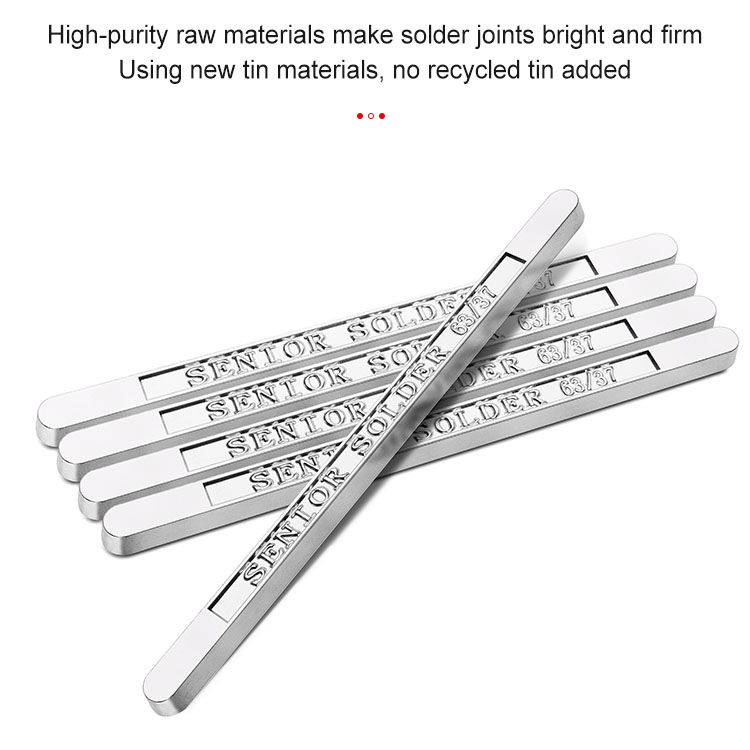
Composition-controlled Sn/Pb solder bars available from Sn63Pb37 to high-lead alloys for wave soldering, dip soldering, tinning and industrial solder-pot applications.
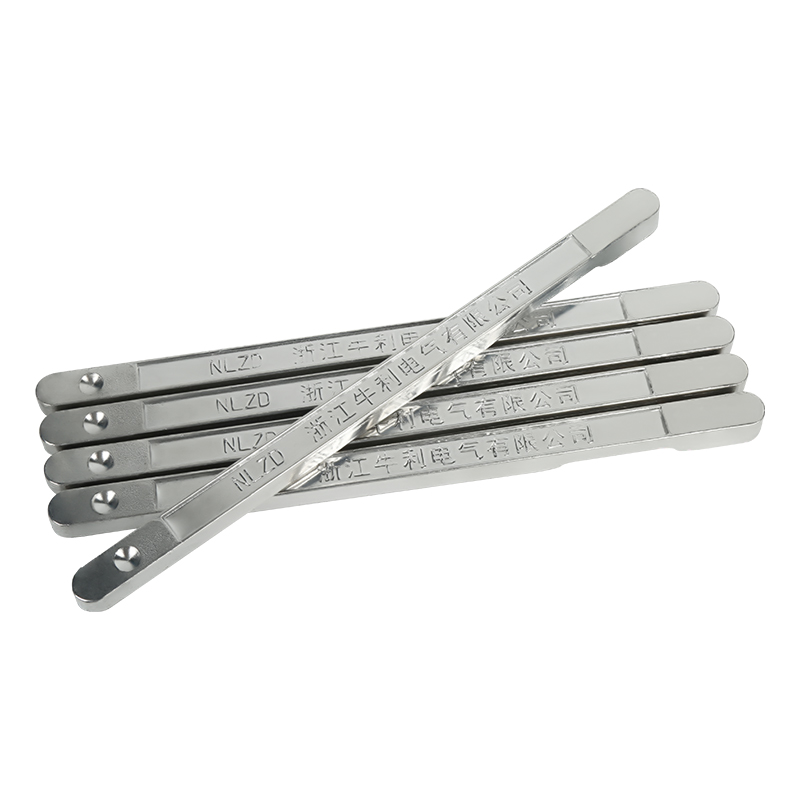
High-purity lead-free solder bars available in SAC, SnCu and other tin-based alloys for wave soldering, selective soldering and solder-pot applications.
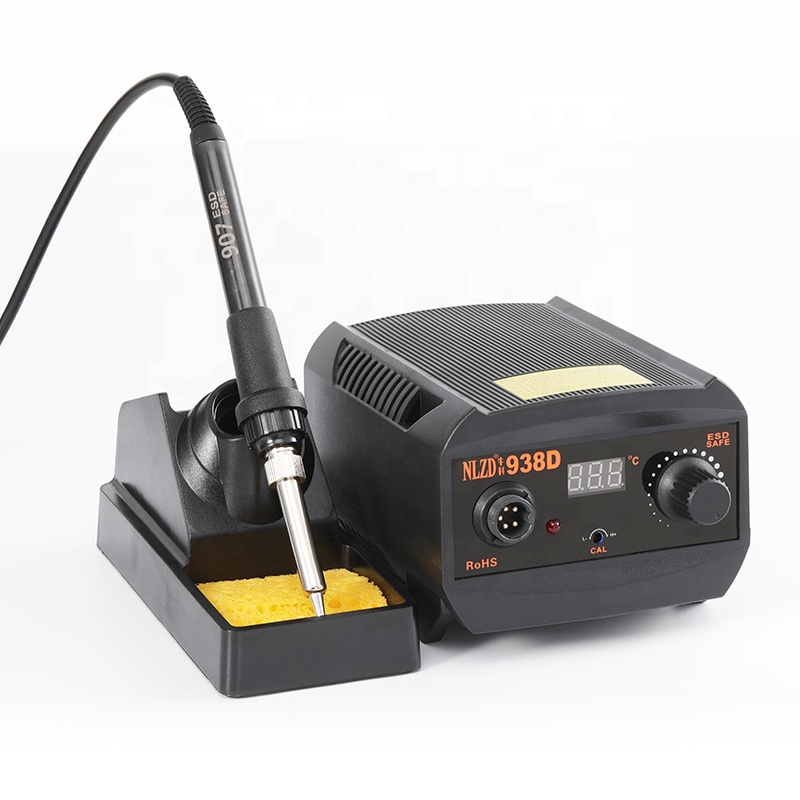
Features: 200-500 ℃ temperature adjustment, fast temperature recovery, anti-static, sufficient variable voltage full power, safety control
Products: power station, iron stand, clean sponge, soldering iron handle.
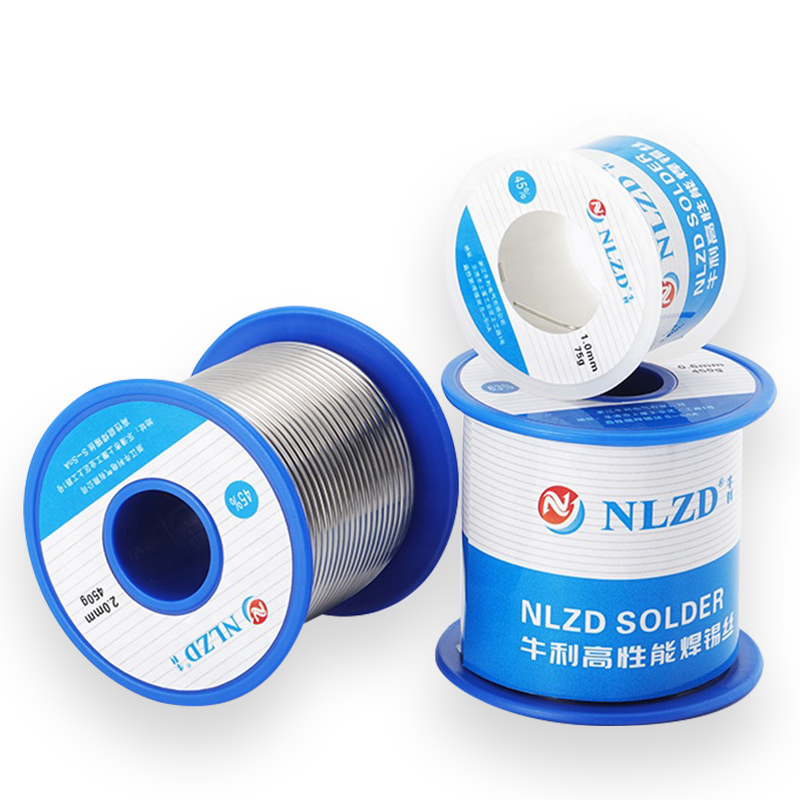
Flux-cored tin-lead solder wire available in Sn63Pb37, Sn60Pb40 and other Sn/Pb ratios, with controlled alloy composition, consistent wire diameter and customized flux options for reliable soldering.
 Optimized by Seraphinite Accelerator