


- The elastomer insert — not the metal body — fails first in marine air, so seal material decides service life.
- NBR resists oil and fuel but cracks under coastal ozone; EPDM shrugs off ozone and weathering; silicone survives extreme heat.
- High-ozone coastal air is an EPDM or FKM environment; NBR is the weakest choice there.
- Stainless steel or nickel-plated brass bodies paired with EPDM/FKM inserts give the longest marine life.
- Specify the elastomer explicitly — many “standard” glands ship NBR by default.
On a vessel or a coastal platform, the metal gland body may still look perfect after years while the soft sealing insert has already hardened, cracked and let water track in. In marine air the enemy is not just salt — it is the combination of ultraviolet light, ozone generated by electrical equipment and corona, and wide temperature swing. Choosing the elastomer is therefore the single most important marine specification, and it is independent of whether the body is brass or stainless.
Why the Seal, Not the Body, Fails First
The elastomer is the only part that actually touches and deforms around the cable. It must stay elastic for the whole service life to keep gripping the jacket and blocking water. Ozone attacks double bonds in many rubbers, turning a flexible seal into a brittle, cracked ring. Salt spray accelerates any surface degradation. A stainless body can outlive the seal three times over, so the seal grade sets the maintenance interval.
NBR: Oil Lover, Ozone Hater
Nitrile (NBR) is cheap, tough and excellent against diesel, lubrication oil and many fuels — which is why it is the default in industrial glands. Its weakness is ozone and weather: NBR has poor resistance to UV and atmospheric ozone and will craze and crack in open coastal air far faster than the other two. Use NBR only in enclosed, oil-exposed, indoor marine spaces (engine-room interiors away from portholes). For anything on deck or in coastal atmosphere, pick something else.
Silicone: Heat Champion
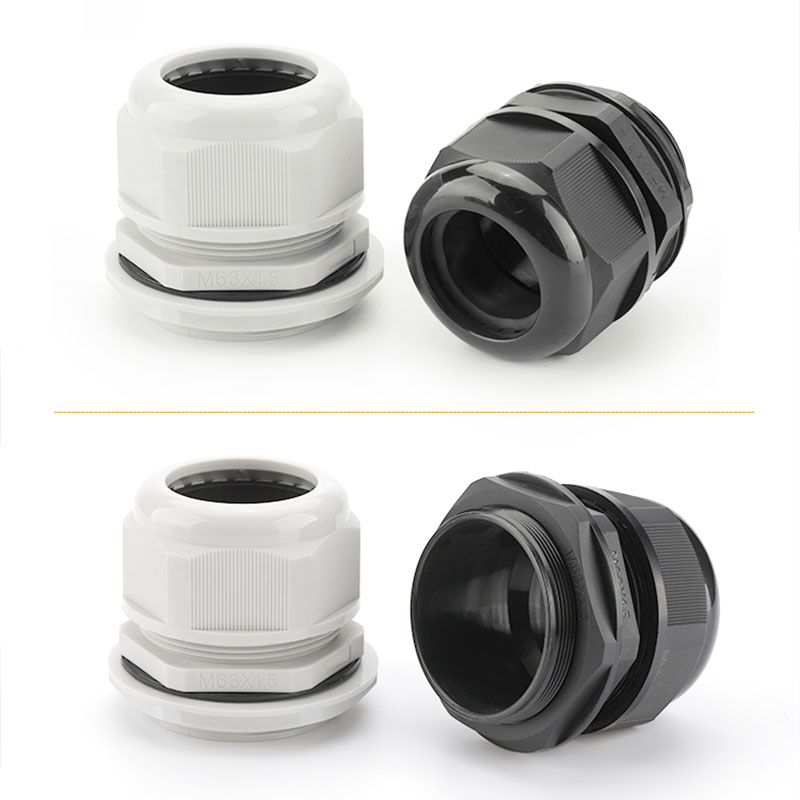
Silicone rubber stays flexible across a very wide temperature range (−60 °C to about +200 °C) and resists ozone and UV well, but it is mechanically weak — easy to tear, low abrasion resistance — and it swells in some oils. In marine cable glands silicone is the right call when the enclosure sees genuine high heat (exhaust-adjacent panels, boiler rooms) and the cable is not subject to pulling and chafe. It is a heat specialist, not a general deck-duty seal.
EPDM: The Marine Workhorse
EPDM (ethylene propylene diene monomer) is the standard recommendation for outdoor and coastal service because its saturated backbone resists ozone, UV and weathering extremely well, and it stays flexible in heat and cold. It is also steam- and mildly chemical-resistant. Its only real weaknesses are petroleum oils and fuels (where NBR wins) and some solvents. For the vast majority of marine and waterfront cable glands — deck penetrations, pilings, harbour panels — EPDM is the safe, long-life default.
Comparison Table
| Property | NBR | Silicone | EPDM |
|---|---|---|---|
| Ozone / UV | Poor | Good | Excellent |
| Oil & fuel | Excellent | Poor | Poor |
| Heat limit | ~100 °C | ~200 °C | ~150 °C |
| Tear strength | Good | Poor | Good |
| Steam / weather | Fair | Good | Excellent |
| Cost | Low | Mid | Mid |
| Marine deck use | No | Heat-only | Yes (default) |
Table 1. Elastomer choice for marine cable gland seals.
Marine Selection Rules
- Deck, hull and pier penetrations exposed to sun and ozone: EPDM (or FKM where heat/chemicals are severe).
- Enclosed engine-room interior with oil mist, no direct weather: NBR is acceptable and economical.
- High-heat enclosures (exhaust, boiler): silicone or FKM.
- Anywhere fuel can contact the seal: avoid EPDM/silicone; use FKM (Viton) which resists both ozone and hydrocarbons.
Matching Body to Seal
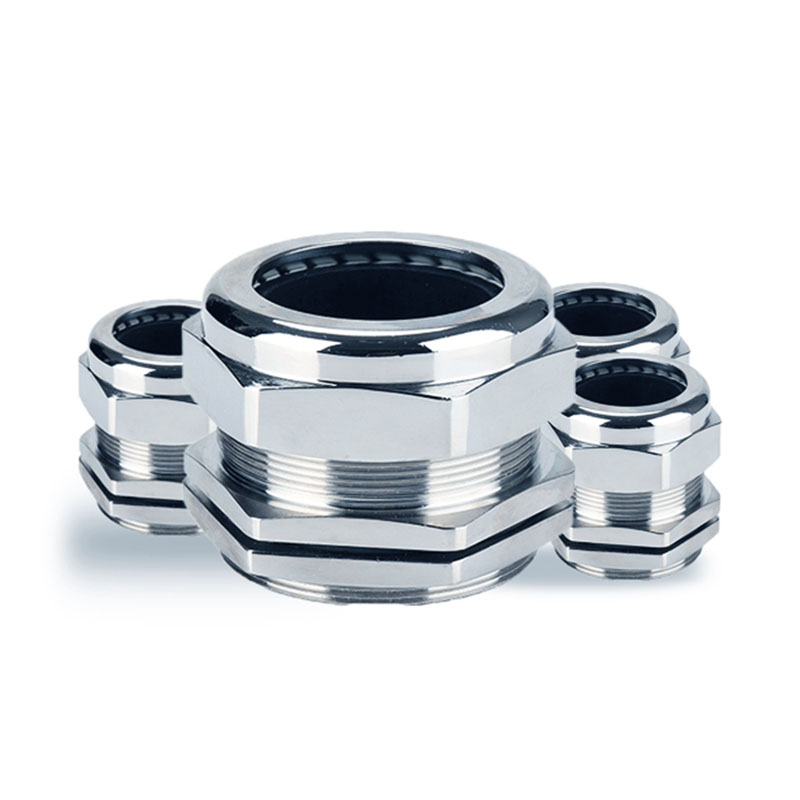
The body must match the environment too. Bare brass dezincifies in seawater spray; nickel-plated brass resists this better; 316 stainless steel is the marine-grade choice for bodies. Pair a 316 body with an EPDM or FKM insert and you have a gland that survives a coastal lifecycle. Niuli offers stainless-steel-cable-glands and brass-cable-glands with selectable NBR / EPDM / FKM inserts so the whole assembly is specified, not guessed.
How to Specify Correctly
Do not accept “standard seal” on a marine order — standard is usually NBR. Write the elastomer into the purchase spec: body material (316 SS or Niplated brass), insert material (EPDM or FKM), temperature range and the IP/ATEX class if applicable. Keep a spare-insert kit on board so a cracked seal is a five-minute swap, not a gland replacement.
Worked Example: A Harbour Pump Enclosure
A pump control box on a salt-water jetty sees sun, ozone from the VFD and salt spray. Specifying the default NBR-sealed brass gland would have the seal craze within a season and water track in. Instead the box uses a 316 stainless body with an EPDM insert: the body shrugs off the spray and the EPDM stays elastic through years of UV and ozone. A spare EPDM insert kit stays on the pier so a cracked seal is a five-minute swap. The same body serves an oil-lubricated indoor sibling panel, where the insert is simply changed to NBR — one body, two environments.
Niuli Marine Gland Options
Niuli Electric builds marine-rated glands across the metric-cable-glands-m, pg-standard-cable-glands-pg and usa-standard-cable-glands-npt standards with 316 stainless and nickel-plated brass bodies and EPDM/FKM inserts. Because the insert is a separate part, the same body serves oil, deck or heat duties — you only change the elastomer.
Quick Selection Checklist
- The elastomer insert — not the metal body — fails first in marine air, so seal material decides service life.
- NBR resists oil and fuel but cracks under coastal ozone; EPDM shrugs off ozone and weathering; silicone survives extreme heat.
- High-ozone coastal air is an EPDM or FKM environment; NBR is the weakest choice there.
- Stainless steel or nickel-plated brass bodies paired with EPDM/FKM inserts give the longest marine life.
- Specify the elastomer explicitly — many “standard” glands ship NBR by default.
Frequently Asked Questions
Is NBR ever OK on a boat?
Yes, in enclosed, oil-exposed indoor spaces away from weather and ozone. Never on deck or in coastal atmosphere.
Why is EPDM called the marine default?
Its saturated polymer chain resists ozone, UV and weathering, so it stays elastic for years in sun and salt spray where NBR cracks.
Does silicone resist salt water?
Chemically yes, but it tears easily and is weak under pull — it suits high-heat enclosures more than chafe-prone deck runs.
What is FKM and when do I need it?
FKM (Viton) resists both ozone and hydrocarbons, so it is the choice where fuel or aggressive chemicals can reach the seal, or for very high heat.
Can I swap the insert without a new gland?
Yes. The elastomer insert is a separate part; keep spares and replace just the insert during maintenance.
Will a brass body survive seawater?
Bare brass dezincifies; use nickel-plated brass or 316 stainless for coastal and marine service.
Does the seal affect the IP rating?
Directly. A cracked or wrong-elastomer seal breaks the IP seal regardless of how good the body is.
What temperature range should I spec?
Match the worst case the enclosure sees: EPDM to ~150 °C, silicone to ~200 °C, FKM to ~200 °C with better chemical resistance.
Are Niuli marine glands available in NPT?
Yes — the NPT series covers North American threaded entries with the same stainless/EPDM options.
How often should marine seals be inspected?
Annually on deck penetrations, or sooner if you see crazing; a spare-insert swap restores the seal.
Related Resources
Specify the right elastomer for your marine install — tell us the environment and we will match body and seal.
