


Introduction
When it comes to soldering, choosing the right solder bar is crucial for achieving strong, reliable joints. Lead-free and tin-lead solder bars are the two most common options, but which one is best for your needs? In this guide, we’ll compare both types to help you make an informed decision.
What is a Solder Bar?
A solder bar is a metal alloy used in the soldering process to join two metal components. It melts when heated and creates a strong electrical or mechanical bond between surfaces. Solder bars come in different alloys, with lead-free and tin-lead solder bars being the most widely used in electronics and electrical applications.
What is Tin-lead Solder Bar?
Tin-lead solder bars are composed of a mixture of tin and lead, with tin typically making up about 60% to 63% of the composition and lead making up the rest. This alloy has been used for decades and is known for its ease of use, low melting point (around 183°C), and strong, reliable bonds. However, due to environmental and health concerns, the use of tin-lead solder has been phased out in many regions.
What is Lead-free Solder Bar?
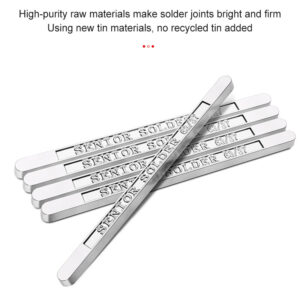
Lead-free solder bars are made from various alloys that do not contain lead. Common compositions include tin with copper, silver, or other metals. Lead-free solder bars typically have a higher melting point (around 217-227°C) compared to tin-lead solder. They are more environmentally friendly and safer for both the user and the environment, making them the preferred choice in many modern electronic manufacturing applications. 
Key Differences Between Lead-free and Tin-lead Solder Bars
Environmental Impact
Lead-free solder is the better choice for eco-conscious applications, as it doesn’t contain lead, which is toxic to both humans and the environment. Tin-lead solder, while effective, is now banned in many places due to its harmful effects.
Melting Point
Tin-lead solder has a lower melting point, making it easier to work with in many applications. Lead-free solder, on the other hand, requires higher temperatures, which may need more precise control during the soldering process.
Strength and Durability
Lead-free solder tends to be more brittle than tin-lead solder, which can lead to more fragile joints in certain applications. However, it is still widely used in modern electronics due to its overall reliability and safety.
Health and Safety
Lead-free solder is safer for workers, as it does not expose them to lead fumes or particles during the soldering process. Tin-lead solder, though effective, poses a risk of lead exposure.
How to Choose the Right Solder Bar for Your Project?
The choice between lead-free and tin-lead solder bars depends on various factors, including the type of application, the required joint strength, and health and safety concerns:
- For Eco-Friendly Applications: Choose lead-free solder for projects where environmental impact is a concern or where regulatory compliance is necessary.
- For Easier Handling: If your project requires a lower melting point and easier handling, tin-lead solder may be the better choice.
- For Safety: Lead-free solder is the better option if worker safety is a top priority, as it eliminates the risks associated with lead exposure.
FAQs
Is lead-free solder stronger than tin-lead solder?
Lead-free solder can be more brittle and less durable than tin-lead solder, but it is still widely used in modern applications for its safety and environmental benefits.
Why is tin-lead solder being phased out?
Tin-lead solder is being phased out due to health and environmental concerns, as lead is toxic to both humans and the environment.
Can I use lead-free solder with existing equipment?
Yes, you can use lead-free solder with most equipment, but you may need to adjust the soldering temperature since it has a higher melting point than tin-lead solder.
Conclusion
Choosing the right solder bar is essential for achieving strong, reliable solder joints. Niuli Electric offers a wide range of soldering products, including lead-free and tin-lead solder bars, to meet your needs. Visit our website to find high-quality solder bars for your next project!
