


Introduction
Environmental regulations are becoming stricter across the global electronics industry. Manufacturers are under increasing pressure to reduce hazardous substances, improve sustainability, and comply with international environmental standards.
One major change has been the transition from traditional leaded solder to lead-free solder bars.
Today, lead-free solder bars are widely used in:
- PCB manufacturing
- Wave soldering
- Electronics assembly
- Automotive electronics
- Consumer appliances
- Industrial control systems
For manufacturers, switching to lead-free solder is no longer just an environmental preference. In many markets, it is a compliance requirement.
This article explains how lead-free solder bars help manufacturers improve environmental compliance while supporting safer and more sustainable production processes.
What Are Lead-Free Solder Bars?
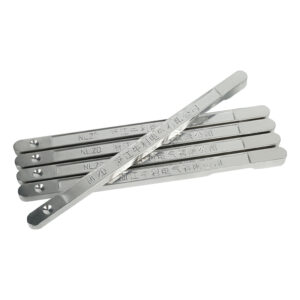
A lead-free solder bar is a solder alloy that does not contain lead (Pb).
Instead, it uses alternative alloy combinations such as:
- Tin-copper (Sn-Cu)
- Tin-silver-copper (SAC)
- Tin-silver (Sn-Ag)
Lead-free solder bars are mainly used in:
- Wave soldering systems
- PCB assembly
- Automated soldering lines
- Electronic manufacturing
Compared with traditional tin lead solder, lead-free solder bars are designed to meet modern environmental regulations and reduce hazardous material usage.
👉 Explore professional lead-free solder bar solutions here:
Why Environmental Compliance Matters in Electronics Manufacturing
Modern electronics manufacturing is heavily regulated.
Governments and global markets increasingly restrict hazardous substances in electrical and electronic products due to concerns involving:
- Environmental pollution
- Toxic waste
- Worker safety
- Recycling contamination
- Public health risks
Manufacturers that fail to comply with environmental regulations may face:
- Export restrictions
- Product recalls
- Legal penalties
- Market access limitations
As a result, environmental compliance has become essential for global electronics production.

The Problem With Traditional Leaded Solder
Traditional solder bars often contain lead because lead improves:
- Wetting performance
- Solder flow
- Low-temperature processing
However, lead is considered a hazardous substance.
Improper disposal of lead-containing electronic waste may contaminate:
- Soil
- Groundwater
- Air quality
Long-term exposure to lead can also create health risks for workers involved in electronics manufacturing and recycling processes.
For decades, industry basically solved engineering problems by adding lead to everything and hoping future generations would “figure something out later.” Extremely on-brand for humanity. 🧪
RoHS Regulations Accelerated the Shift to Lead-Free Solder
One of the biggest reasons manufacturers switched to lead-free solder bars is RoHS compliance.
What Is RoHS?
RoHS stands for:
Restriction of Hazardous Substances
This regulation limits the use of hazardous materials in electrical and electronic equipment.
Restricted substances include:
- Lead
- Mercury
- Cadmium
- Hexavalent chromium
- Certain brominated flame retardants
Products that fail to meet RoHS requirements may be restricted in many international markets.
Lead-free solder bars help manufacturers comply with these regulations more effectively.
How Lead-Free Solder Bars Improve Environmental Compliance
Reduce Hazardous Substance Usage
Lead-free solder bars eliminate one of the most heavily regulated toxic materials in electronics manufacturing.
This helps manufacturers:
- Reduce environmental risks
- Improve product safety
- Support cleaner production processes
Reducing hazardous substances also improves electronic waste management and recycling safety.
Support RoHS Compliance
Lead-free solder bars are widely used in RoHS-compliant manufacturing systems.
This allows manufacturers to:
- Export products globally
- Meet customer compliance requirements
- Avoid regulatory violations
For companies targeting European and international markets, RoHS compliance is often mandatory.
Improve Sustainability Goals
Many manufacturers now focus on:
- Green manufacturing
- Sustainable production
- Environmental responsibility
Lead-free solder bars help support these goals by reducing toxic material usage in electronic products.
This is increasingly important for:
- ESG programs
- Corporate sustainability reporting
- International brand partnerships
Improve Workplace Safety
Lead-free soldering helps reduce worker exposure to hazardous materials.
In high-volume soldering operations, reducing lead exposure may help improve:
- Factory safety
- Air quality management
- Occupational health compliance
Safer production environments are becoming a key focus in modern manufacturing systems.
Support Global Supply Chain Requirements
Many international brands require suppliers to use:
- RoHS-compliant materials
- Environmentally friendly production processes
- Lead-free electronic components
Manufacturers using lead-free solder bars are better positioned to participate in:
- International supply chains
- OEM partnerships
- Export manufacturing
Common Lead-Free Solder Bar Alloys
Different applications require different alloy compositions.
Sn-Cu Alloy
Features:
- Cost-effective
- Good conductivity
- Common in wave soldering
SAC Alloy (Tin-Silver-Copper)
Provides:
- Strong mechanical performance
- Good thermal reliability
- Stable solder joints
Widely used in:
- Automotive electronics
- High-reliability PCB assembly
Sn-Ag Alloy
Offers:
- Good conductivity
- Strong solder joints
- High-temperature performance
Lead-Free Solder Bar vs Tin Lead Solder Bar
Environmental Compliance
Lead-free solder bars support:
- RoHS
- REACH
- WEEE compliance
Winner: Lead-Free Solder
Melting Temperature
Lead-free solder typically requires higher soldering temperatures.
Typical lead-free wave soldering temperatures:
- Around 250°C to 270°C
Winner: Tin Lead Solder for Lower Temperature
Workplace Safety
Lead-free solder reduces exposure to toxic lead materials.
Winner: Lead-Free Solder
Wetting Performance
Traditional tin lead solder often provides easier wetting and smoother flow.
Winner: Tin Lead Solder
Industries Using Lead-Free Solder Bars
Lead-free solder bars are widely used in:
- PCB manufacturing
- Automotive electronics
- Consumer electronics
- LED lighting
- Communication equipment
- Industrial automation
- Renewable energy systems
Global adoption continues to increase as environmental standards become stricter.
Challenges of Lead-Free Soldering
Although lead-free solder bars offer major environmental advantages, manufacturers must also address several technical challenges.
Higher Processing Temperatures
Higher temperatures may:
- Increase energy consumption
- Stress heat-sensitive components
- Require upgraded equipment
Different Wetting Behaviour
Lead-free solder may require:
- Improved flux systems
- Better process control
- Optimised soldering profiles
Oxidation Control
Lead-free soldering systems often require stronger oxidation management during wave soldering operations.
How to Choose High-Quality Lead-Free Solder Bars
When selecting lead-free solder bars, manufacturers should consider:
- Alloy composition
- RoHS compliance
- Oxidation resistance
- Wetting performance
- Dross generation
- Production stability
Reliable solder bars should provide:
- Stable melting behaviour
- Strong solder joints
- Good conductivity
- Consistent wave soldering performance
Professional manufacturers usually offer:
- Multiple alloy options
- OEM support
- Industrial-grade testing
- Stable quality control
👉 Explore Niuli lead-free solder bar solutions here:
Common Mistakes When Switching to Lead-Free Solder
Using Old Temperature Profiles
Lead-free solder requires higher soldering temperatures than traditional leaded solder.
Incorrect settings may cause:
- Cold joints
- Poor wetting
- Weak solder connections
Ignoring Equipment Compatibility
Older soldering systems may require upgrades to support lead-free processing conditions.
Poor Flux Selection
Lead-free soldering performance depends heavily on proper flux compatibility.
FAQs
What is a lead-free solder bar?
A lead-free solder bar is solder material that does not contain lead and is used in electronics manufacturing.
Why are manufacturers switching to lead-free solder?
Because of environmental regulations, RoHS compliance, workplace safety, and sustainability goals.
Are lead-free solder bars RoHS compliant?
Yes. Lead-free solder bars are commonly used to support RoHS-compliant electronics manufacturing.
Does lead-free solder require higher temperatures?
Yes. Lead-free solder typically melts at higher temperatures than tin lead solder.
What industries use lead-free solder bars?
Industries include PCB manufacturing, automotive electronics, consumer electronics, and industrial automation.
Conclusion
Lead-free solder bars are becoming an essential part of modern electronics manufacturing because they help manufacturers meet increasingly strict environmental compliance requirements.
By reducing hazardous material usage and supporting RoHS-compliant production, lead-free solder bars allow manufacturers to improve sustainability, workplace safety, and global market access.
Although lead-free soldering introduces some technical challenges, advances in solder alloy technology continue to improve reliability and production performance.
For manufacturers seeking environmentally responsible and globally compliant soldering solutions, high-quality lead-free solder bars provide a reliable path toward safer and more sustainable electronics production.
