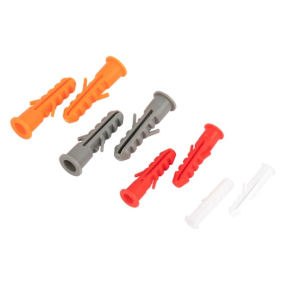
Drilling holes for wall plugs might seem simple, but even a small mistake can compromise your project. In this guide, we’ll highlight common drilling mistakes and show you how to avoid them, so your wall plugs will fit securely, ensuring a safer, long-lasting installation for your DIY or professional projects.
Top Mistakes
Using the Wrong Drill Bit Size
One of the most common mistakes is using the wrong drill bit size. Wall plugs need a hole that is the exact diameter as the plug’s outer casing, not too tight and not too loose. Using a smaller bit may make insertion difficult, while a larger bit reduces holding power.
Tip: Always match the drill bit size to the wall plug manufacturer’s recommendation.
Drilling Too Shallow or Too Deep
Drilling too shallow or too deep can result in an improper fit for the wall plug. A hole that is too shallow won’t allow the plug to sit properly, and a hole that is too deep will cause the plug to lose its grip.
Tip: Measure the required depth and use a depth stop or tape on your drill to ensure consistent hole depth.
Drilling into the Wrong Surface
Drilling into materials like plaster, drywall, or thin concrete without choosing the appropriate wall plug may cause your project to fail. For instance, drilling into soft plaster without a proper plug will not support heavy fixtures.
Tip: Use wall plugs designed for specific materials (e.g., masonry plugs for concrete or brick).
Not Clearing Dust and Debris
When you drill, dust and debris accumulate inside the hole, making it harder for the wall plug to fit tightly. If the hole is clogged with dust, the plug may not fit snugly, leading to a weak connection.
Tip: Use a small brush or vacuum to clear dust before inserting the wall plug.
Not Using a Level or Guide
Drilling a hole at an angle can cause the plug to sit unevenly, which can lead to a crooked or unstable fixture. This can also affect the load-bearing strength.
Tip: Always use a level or guide when drilling to ensure straight, even holes for your wall plugs.
Forgetting to Wear Safety Gear
Safety should always come first. Drilling can produce flying debris, and if you’re working with harder materials like concrete, the risk of injury increases.
Tip: Wear protective eyewear, a dust mask, and ear protection when drilling.
FAQs
Q: Can I use wall plugs for any surface?
No, wall plugs are designed for specific materials. Choose the right plug for your surface to ensure secure fixing.
Q: How do I know the correct size drill bit for my wall plug?
Check the packaging or manufacturer’s guide for the recommended drill bit size. It’s important to match it precisely.
Q: Can I drill multiple holes in a row?
Yes, but ensure each hole is drilled to the same depth and distance to maintain alignment for the plugs.
Q: Do I need to clean the hole after drilling?
Yes. Dust and debris can prevent the wall plug from seating properly, which could weaken the hold.
Conclusion
By avoiding these common mistakes, you can ensure your wall plugs fit securely, providing a stable base for shelves, fixtures, or anything else you’re installing. If you’re looking for high-quality wall plugs or accessories, explore the range at Niuli Electric for reliable solutions to all your installation needs.