


- Galvanic (bimetallic) corrosion needs three things: two dissimilar metals, an electrolyte (moisture), and electrical contact.
- The farther apart two metals sit on the galvanic series, the faster the more active one corrodes.
- Brass, copper and tinned copper are common terminal metals; pairing them blindly in damp enclosures causes rust and high resistance.
- Prevention = separate the metals, coat them, keep them dry, or choose closely matched metals.
- Tinned copper terminals and tin-plated blocks are the cheap, standard fix for outdoor and marine panels.
A terminal block or a ring terminal that looked fine at commissioning can, a year later, show green crust and a warm, high-resistance joint. The cause is usually galvanic corrosion: two different metals in contact, with a film of moisture acting as the electrolyte, form a tiny battery that eats the more active metal. In wiring this is common and preventable, but only if you design for it instead of hoping for the best.
The Three Things Galvanic Corrosion Needs
Remove any one of three conditions and the cell cannot run: (1) two electrochemically dissimilar metals, (2) electrical contact between them, and (3) an electrolyte — usually water with dissolved salts or pollution. Terminals almost always have (1) and (2); the moisture in (3) arrives as condensation, salt spray or a leaky enclosure. That is why the same joint is fine indoors for decades but fails on a coastal panel in a season.
The Galvanic Series in Plain Terms
Metals line up on a “nobility” scale. The farther apart two metals are on that scale, the stronger the cell and the faster the active (less noble) one corrodes. In rough order from active to noble: zinc, aluminium, steel, tin, lead, brass, copper, stainless steel, nickel, (passivated) titanium. A tinned-copper wire onto a brass block is a small step (slow); a bare aluminium conductor clamped to a copper bar is a big step (fast). The trick is to keep adjacent metals close on the scale.
Where It Happens in Terminals
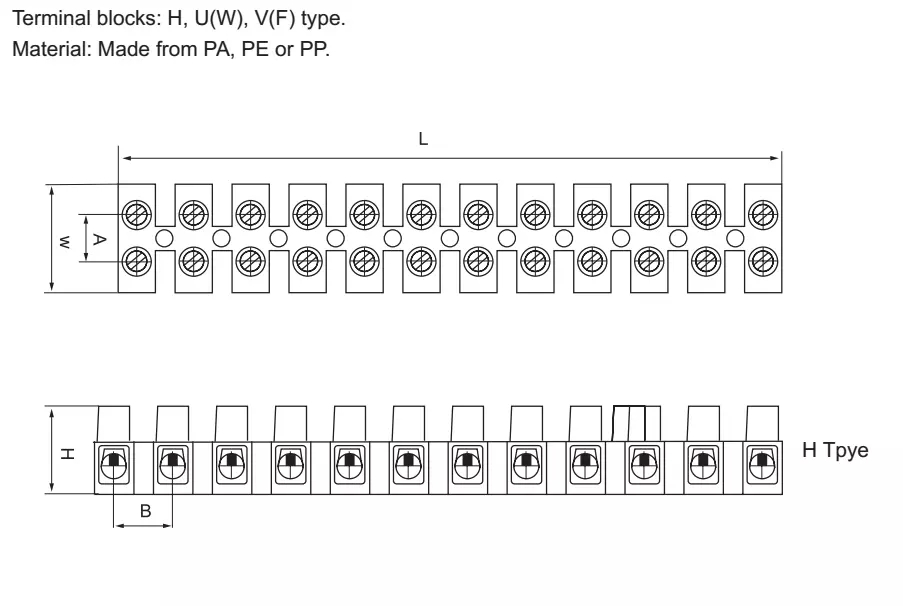
Corrosion shows up at the clamp-to-conductor interface and at the screw head. A bare copper strand under a tinned screw, a brass block holding an aluminium wire, or a stainless screw bearing on a carbon-steel washer all set up cells. terminal-block with mixed metal internals, and ring-terminals / fork-terminals terminals of one metal clamped to a busbar of another, are the usual suspects. Heat from a rising contact resistance accelerates the attack.
Common Terminal Metals
| Metal | Position | Note for terminals |
|---|---|---|
| Tinned copper | Mid-active | Best all-round; close to many metals, slows corrosion |
| Copper (bare) | Noble-ish | Good conductor, but corrodes fast next to aluminium |
| Brass | Noble | Common block body; can pit tinned parts slightly |
| Stainless steel | Noble | Screw/body; inert but can gall |
| Aluminium | Active | Cheap wire; needs inhibitor next to copper |
Table 1. Terminal metals and their galvanic behaviour.
Prevention Table
| Method | How | Best for |
|---|---|---|
| Match metals | Use tinned copper to tinned copper | General outdoor |
| Coat / inhibit | Anti-ox paste, grease, joint compound | Aluminium-to-copper |
| Insulate | Shrink sleeve, boot, seal the joint | Wet enclosures |
| Keep dry | Gasket enclosure, desiccant, IP rated | Coastal |
| Sacrificial | Zinc washer as anode | Severe marine |
Table 2. Stopping the cell before it starts.
Installation Practices
- Specify tinned copper conductors and tin-plated terminals/blocks so the step on the series is small.
- For aluminium conductors use a proper aluminium-rated terminal and anti-oxidant compound; never clamp bare aluminium to copper.
- Torque screws to spec so the joint stays tight and cool; a loose joint heats and corrodes faster.
- Seal outdoor joints with heat-shrink or a boot and keep the enclosure gasketed and drained.
Inspection and Repair
Inspect terminals annually in harsh sites for crust, warmth or discolouration. Clean, re-tin or replace the active metal, reapply inhibitor and re-torque. Catching a galvanic joint early stops the cascade of heat and resistance that leads to failure.
Worked Example: A Coastal Solar Combiner
A beach-side solar combiner lands aluminium PV conductors onto copper busbars. Done blindly, the aluminium-to-copper joint corrodes in a season and the combiner heats. The fix is to terminate the aluminium in aluminium-rated lugs with anti-oxidant compound, and use tinned copper jumpers elsewhere so every step on the galvanic series is small. The enclosure is gasketed and the joints are sealed with heat-shrink. Annual inspection finds no crust, and contact resistance stays low — the cell was designed out before commissioning.
Niuli Corrosion-Resistant Options
Niuli Electric supplies terminal-block and the full ring-terminals / fork-terminals / non-insulated-terminals terminal family in tin-plated copper, which keeps the galvanic step small and the joint stable in damp and coastal service. Pair with heat-shrink-tube to seal the joint from moisture.
Quick Selection Checklist
- Galvanic (bimetallic) corrosion needs three things: two dissimilar metals, an electrolyte (moisture), and electrical contact.
- The farther apart two metals sit on the galvanic series, the faster the more active one corrodes.
- Brass, copper and tinned copper are common terminal metals; pairing them blindly in damp enclosures causes rust and high resistance.
- Prevention = separate the metals, coat them, keep them dry, or choose closely matched metals.
- Tinned copper terminals and tin-plated blocks are the cheap, standard fix for outdoor and marine panels.
Frequently Asked Questions
What causes bimetallic corrosion?
Two dissimilar metals in electrical contact with an electrolyte (moisture) form a cell that corrodes the more active metal.
Which metal corrodes first?
The less noble (more active) one — aluminium before copper, tin before brass, steel before stainless.
Are tinned terminals worth it?
Yes. Tinned copper sits close to many metals on the series, so the cell is weak and corrosion is slow.
Can I connect aluminium wire to a copper block?
Only with an aluminium-rated terminal and anti-oxidant compound; bare aluminium on copper corrodes fast.
Does heat-shrink stop galvanic corrosion?
It removes the electrolyte by sealing out moisture, which breaks the cell — a key prevention.
Why does a loose terminal corrode?
Looseness raises resistance and heat, which accelerates oxidation and the galvanic attack.
Is brass safe with copper?
They are close on the series, so the cell is weak; tinned surfaces make it even safer.
What torque should I use?
The manufacturer’s spec for the terminal; tight enough to stay cool, not so tight it distorts the barrel.
Do stainless screws cause corrosion?
Stainless is noble and inert; it can pit an active metal it presses on, but galling is a bigger issue than corrosion.
How often inspect in coastal sites?
Annually, or sooner if you see crust or warmth at a joint.
Related Resources
Standardise on tinned copper terminals to kill bimetallic corrosion — tell us your wire sizes and we will kit them.
