When dealing with electrical connections, precision is key. Non-insulated terminals offer durability and strong conductivity, but only when installed correctly. Understanding how to install them properly ensures reliable performance and prevents system failures. This guide helps you achieve maximum efficiency and safety for your wiring projects.
What Are Non-insulated Terminals?
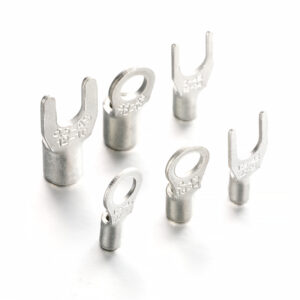
Non-insulated terminals are metal connectors that do not have a protective plastic cover. They are ideal for applications where high temperatures or specific insulation types are required separately. These terminals are commonly used in industrial control panels, automotive systems, and power distribution networks.
Why Proper Installation Matters
Incorrect installation can lead to loose connections, overheating, or even short circuits. Properly crimping and securing non-insulated terminals ensures:
Maximum conductivity between the wire and terminal
Reduced resistance, preventing voltage drops
Improved mechanical strength and vibration resistance
Longer service life for your electrical connections
Step-by-Step Guide to Installing Non-insulated Terminals
Step 1: Prepare the Wire
Strip the wire carefully to expose the conductor, making sure not to nick or cut any strands.
Step 2: Choose the Right Terminal
Select a terminal that matches both the wire gauge and your application’s current rating.
Step 3: Use a Proper Crimping Tool
Use a dedicated crimping tool designed for non-insulated terminals. Align the barrel with the correct die size before compressing.
Step 4: Inspect the Crimp
Check for a tight, even crimp with no loose strands or cracks. Tug lightly to confirm the connection is secure.
Step 5: Apply Insulation (Optional)
If necessary, use heat shrink tubing or insulating sleeves to protect against short circuits or environmental exposure.
Tips for Ensuring Maximum Efficiency
Always use professional-grade tools for consistent crimps.
Avoid reusing terminals after removal—they lose integrity.
Ensure proper wire-to-terminal fit without excess play.
Store terminals in dry, clean conditions to prevent corrosion.
FAQs
Q1: Can I use pliers instead of a crimping tool?
No. Pliers cannot achieve the pressure and precision required for a secure crimp. Always use a proper crimping tool.
Q2: Should I tin the wire before crimping?
It’s not recommended. Tinning can cause uneven pressure and weak connections when crimped.
Q3: What applications are best for non-insulated terminals?
They are ideal for high-temperature or vibration-prone environments such as engines, switchboards, or industrial machinery.
Conclusion
By mastering the correct installation process, you ensure long-lasting, high-efficiency electrical connections. Non-insulated terminals provide outstanding performance when used properly. For high-quality terminals and professional crimping tools, explore Niuli Electric’s range of electrical connection products designed for industrial reliability and safety.