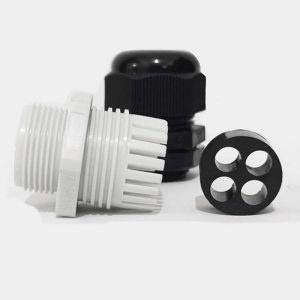
Cross-leakage in multi-hole cable glands can pose significant risks in electrical installations, leading to equipment malfunction or safety hazards. To ensure reliable sealing, it’s crucial to take the right precautions. In this article, you’ll learn how to prevent cross-leakage in cable glands and ensure the integrity of your electrical systems.
What is Cross-Leakage?
Cross-leakage occurs when unwanted fluid, air, or gases seep through adjacent cable entries in multi-hole cable glands. This is especially problematic in environments where sealing is critical, such as in industrial or outdoor settings where exposure to water, chemicals, or pressure is common.
Why is Preventing Cross-Leakage Important?
Cross-leakage can result in equipment failure, reduced efficiency, and potential safety hazards. For instance, in environments where hazardous gases or liquids are present, a failure to prevent cross-leakage could lead to contamination or even explosions. Therefore, ensuring proper sealing in multi-hole cable glands is essential for both safety and reliability.
Best Practices to Prevent Cross-Leakage
Choose the Right Cable Gland Material
Ensure that the material of your multi-hole cable glands is appropriate for the environment. Materials like brass, stainless steel, and nylon are often used in cable glands because they offer excellent resistance to chemicals, moisture, and physical stress. Selecting the right material helps prevent damage and leakage.
Use Proper Sealing Components
Make sure to use high-quality sealing components, such as gaskets, O-rings, and sealing inserts, within your cable glands. These components form a tight seal and prevent fluid or air from passing through the gland’s holes.
Tighten the Gland Properly
Over-tightening or under-tightening the gland can cause deformation or improper sealing. Follow the manufacturer’s instructions on the recommended torque settings to ensure a secure fit and prevent leakage.
Check for Compatibility with Cable Sizes
Make sure the cable glands you choose are compatible with the cable size and type. If the cables are too small for the gland, they will not fit tightly, leaving gaps through which leakage can occur. Ensure a snug, proper fit for optimal sealing.
Install in Proper Conditions
Ensure that the cable gland is installed in a clean, dry environment. Contaminants like dirt, dust, or moisture can interfere with the sealing process and lead to leakage. Clean the gland and surrounding area before installation.
When to Replace Multi-Hole Cable Glands
If you notice any signs of wear or damage, such as cracked seals or rust, it’s important to replace the cable gland immediately. Regular inspection of the glands is essential to ensure continued performance and prevent cross-leakage.
FAQs
Q: Can cross-leakage happen with single-hole cable glands?
Cross-leakage is a concern with multi-hole cable glands where multiple cables are routed through one gland. Single-hole cable glands typically do not face this issue unless there is a fault in the seal.
Q: How often should I check for leakage in my cable glands?
You should regularly inspect your cable glands, especially in harsh environments. Perform checks during routine maintenance to catch any potential issues early.
Q: How can I tell if my cable gland is leaking?
Look for signs of moisture, corrosion, or discoloration around the gland. You may also notice a reduction in system performance if air or fluid is leaking.
Q: Are there any specific standards for cable glands?
Yes, there are international standards such as IP (Ingress Protection) ratings and UL certifications that ensure cable glands are properly sealed for various environmental conditions.
Conclusion
Preventing cross-leakage in multi-hole cable glands is crucial for the safety and efficiency of your electrical systems. By choosing the right materials, ensuring proper installation, and conducting regular maintenance, you can ensure reliable sealing. Niuli Electric offers high-quality cable glands designed to meet your sealing needs, preventing cross-leakage effectively.