Installing NPT (National Pipe Thread) cable glands can seem straightforward, but there are common issues that can cause frustration. Whether it’s improper sealing or misalignment, these issues can affect the performance of your electrical system. In this guide, we’ll discuss the most common problems and how you can fix them.
What Are NPT Cable Glands?
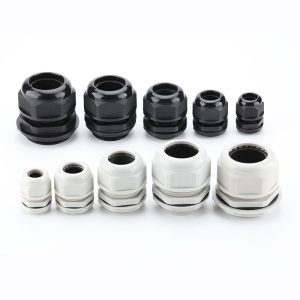
NPT cable glands are devices used to secure and protect cables as they enter enclosures, ensuring a tight, waterproof seal. They are widely used in various industrial and electrical applications, offering protection against dirt, moisture, and mechanical damage. NPT refers to the specific type of pipe threading used for secure fittings.
Key Features of NPT Cable Glands:
Waterproofing: NPT cable glands provide excellent sealing to prevent moisture ingress.
Mechanical Protection: They safeguard cables from physical damage.
Versatility: Available in a range of materials like brass, plastic, and stainless steel, suitable for various environments.
Common Problems When Installing NPT Cable Glands
Improper Sealing or Leaks
One of the most common issues is improper sealing, leading to leaks. This can happen when the cable gland is not tightly fastened or if the seal is not properly positioned. It can cause moisture to enter the enclosure, damaging sensitive electrical components.
How to Fix It:
Ensure the gland is properly tightened and the sealing washer is securely in place. Double-check the cable’s diameter to ensure the correct gland size is used. A proper seal is crucial for maintaining the integrity of the enclosure and protecting the cables.
Misalignment of Cable Gland and Thread
Sometimes, misalignment between the NPT cable gland and the threaded hole can lead to improper installation. This misalignment can result in leakage, a loose fit, or even damage to the threading.
How to Fix It:
Before installation, ensure that the cable gland is compatible with the threaded hole. Always hand-tighten the gland to align it properly before using a wrench. Avoid cross-threading to maintain the integrity of both the gland and the enclosure.
Over-tightening
Over-tightening the cable gland can damage the threads and the seal, compromising its function. It can also cause unnecessary stress on the cable, leading to wear and tear.
How to Fix It:
Use the appropriate tools and torque settings to tighten the gland correctly. Follow the manufacturer’s recommended torque specifications to avoid over-tightening, which can damage both the gland and the cable.
Incorrect Gland Size
Using the wrong size NPT cable gland for the cable can lead to improper sealing, water ingress, and mechanical failure. Choosing a gland that is either too large or too small for the cable will prevent it from securing the cable properly.
How to Fix It:
Always check the cable’s outer diameter before purchasing a gland. Ensure that the gland is compatible with the specific cable size for a secure and safe fit.
Why Choose Niuli Electric’s NPT Cable Glands?
At Niuli Electric, we offer high-quality NPT cable glands that ensure a secure fit and excellent sealing properties. Our products are designed to provide robust protection against environmental factors, ensuring the longevity and reliability of your electrical systems.
Benefits of Niuli Electric’s NPT Cable Glands:
Durable Materials: We use top-quality brass, stainless steel, and plastic for corrosion resistance.
Easy Installation: Our cable glands are designed for easy installation with clear instructions and user-friendly fittings.
Reliable Protection: They provide superior sealing against moisture, dust, and mechanical damage.
Wide Range of Sizes: Choose from a variety of sizes to meet the specific needs of your installation.
FAQs
Q: What is the difference between NPT and BSP cable glands?
NPT (National Pipe Thread) uses a tapered thread design, while BSP (British Standard Pipe) uses parallel threads. NPT cable glands are often used in the U.S. and Canada, while BSP is common in Europe and other regions.
Q: Can NPT cable glands be used in outdoor environments?
Yes, NPT cable glands are ideal for outdoor use, especially those made from corrosion-resistant materials like stainless steel or brass, offering reliable protection against the elements.
Q: Are Niuli Electric’s NPT cable glands RoHS compliant?
Yes, all our NPT cable glands are RoHS compliant, ensuring they meet global environmental standards.
Q: How do I choose the right NPT cable gland for my application?
Consider the cable’s diameter, the type of environment (e.g., wet or dry), and the material of the gland. Niuli Electric provides detailed specifications to help you choose the right product.
Q: Can NPT cable glands be reused?
While NPT cable glands are durable, they should not be reused if they show signs of wear or damage. Always replace worn-out glands to maintain safety and reliability.
Conclusion
NPT cable glands are essential for securing and protecting cables in electrical installations. By understanding common installation issues and following proper techniques, you can ensure a secure, reliable, and long-lasting seal. Choose Niuli Electric’s NPT cable glands for high-quality protection and performance in your installations.