When working in corrosive environments, choosing the right G cable gland material is crucial for ensuring the safety and longevity of your electrical systems. In this blog, we’ll guide you through the best materials for G cable glands, helping you make an informed decision to protect your cables from corrosion.
Understanding Corrosive Environments
Corrosive environments are locations where chemicals, moisture, salt, or extreme temperatures can rapidly degrade materials. These conditions can lead to severe damage to electrical systems and components, which is why selecting the right materials for G cable glands is essential to prevent failures and ensure long-term performance.
Materials Commonly Used for G Cable Glands
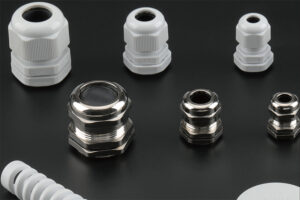
There are various materials available for G cable glands, each suited to different environmental conditions. The most common materials include:
Brass: Known for its excellent mechanical properties and corrosion resistance, brass is a popular choice in less aggressive corrosive environments. However, it is not ideal for environments with extreme saltwater exposure.
Stainless Steel: A highly durable material resistant to rust and corrosion, making it perfect for highly corrosive environments, including marine and chemical settings. Stainless steel is the most reliable choice in harsh, salty, or chemically active areas.
Aluminum: Lightweight and cost-effective, aluminum cable glands are corrosion-resistant and often used in environments where weight is a concern. However, aluminum may not perform well in extremely corrosive environments compared to stainless steel or brass.
Plastic (Nylon or Polyamide): While plastic materials like nylon are resistant to many chemicals, they are not as durable in high temperatures or under UV exposure. However, they offer excellent corrosion resistance in non-metallic applications and are often used in less severe environments.
Factors to Consider When Choosing Material
When selecting the right material for your G cable gland, consider the following factors:
Corrosion Resistance: Ensure that the material can withstand the specific chemicals or environmental factors it will encounter. Stainless steel excels in highly corrosive environments.
Temperature Resistance: Some materials perform better under high or low temperatures. For instance, brass and stainless steel can withstand higher temperatures, while plastic is more prone to degradation at extreme temperatures.
Mechanical Strength: The material should provide adequate mechanical strength to secure the cable and prevent damage under physical stress.
Cost and Maintenance: While stainless steel offers superior protection, it can be more expensive. For environments where cost is a concern, consider other materials like brass or aluminum.
Why Stainless Steel is the Preferred Choice for Corrosive Environments
Stainless steel is widely regarded as the best material for cable glands in corrosive environments due to its resistance to rust, oxidation, and a wide range of chemicals. It can endure harsh marine, chemical, and industrial environments, offering long-lasting protection for cables in corrosive settings.
FAQs
Q: Can I use brass cable glands in marine environments?
Brass cable glands can be used in marine environments, but they are less resistant to saltwater corrosion than stainless steel. For optimal performance in marine settings, stainless steel is the preferred choice.
Q: How do I know which material is best for my environment?
Consider the environmental factors such as exposure to moisture, chemicals, UV rays, and temperature extremes. Stainless steel is the best choice for severe corrosive conditions, while plastic or brass may be suitable for milder conditions.
Q: Are nylon cable glands durable in high-temperature environments?
Nylon cable glands are not ideal for high-temperature environments as they may degrade or weaken under heat. For high-temperature applications, stainless steel or brass cable glands are more reliable.
Q: Can I use aluminum cable glands in corrosive environments?
Aluminum cable glands offer good corrosion resistance but are less durable than stainless steel in highly corrosive environments. For severe conditions, stainless steel or brass is a better option.
Q: Do I need to replace my cable glands regularly?
While high-quality materials like stainless steel provide long-lasting protection, regular inspections are recommended to ensure there is no wear or corrosion. Replace cable glands if any signs of deterioration are present.
Conclusion
Choosing the right G cable gland material is essential for ensuring the safety and longevity of your electrical systems in corrosive environments. Stainless steel is the best option for severe conditions, but other materials like brass and plastic may be suitable for milder environments. Trust Niuli Electric for high-quality, durable cable glands tailored to your needs.