



When designing electrical panels, machinery, or outdoor installations, choosing the correct hardware is critical for safety and longevity. Because industrial environments vary wildly, manufacturers offer a wide variety of cable gland types designed for specific mechanical, environmental, and electrical requirements.
In this guide, we will break down the different types of cable glands based on materials and cable construction to help you select the right solution for your application.
Cable glands come in various types to suit different cable sizes, materials, and environmental requirements. Understanding the different types of cable glands is essential for choosing the right one for your installation. In this guide, we categorize the major types of cable glands and highlight their specific features and applications.
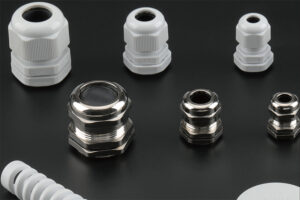
Cable Gland Types Categorized by Material
-
Nylon (PA66) Cable Glands:
Lightweight, cost-effective, and highly resistant to corrosion, salt water, weak acids, and alcohol. Nylon cable glands (often featuring PG or M threads) are widely used in general industrial automation, commercial lighting, junction boxes, and outdoor telecommunication enclosures. They typically offer IP68 waterproof protection.
-
Brass (Nickel-Plated) Cable Glands:
Known for their exceptional mechanical strength and durability. Brass glands provide high impact resistance and secure grounding performance. They are the industry standard for heavy-duty machinery, motor connections, and indoor/outdoor industrial plants.
-
Stainless Steel Cable Glands:
Manufactured from 304 or 316 stainless steel, these glands offer supreme resistance to chemical corrosion, extreme temperatures, and harsh marine environments. They are the top choice for oil & gas, marine, chemical processing, pharmaceutical, and food & beverage industries.
| Gland Type | Main Material | Key Characteristics | Typical Application |
| Nylon Gland | PA66 Plastic | Lightweight, cost-saving, corrosion-proof | Junction boxes, solar panels, LED lighting |
| Brass Gland | Nickel-Plated Brass | Sturdy, high mechanical strength, good grounding | Heavy machinery, factory automation, motors |
| Stainless Gland | SS304 / SS316 | Maximum chemical/rust resistance, hygienic | Marine, food processing, oil & gas |
| Armored Gland | Brass / Stainless | Includes armor clamp & cone for wire braid | Power plants, underground/outdoor armored cables |
Based on Material
1. Plastic Cable Glands
Made from nylon or polyamide, plastic cable glands are lightweight, corrosion-resistant, and ideal for indoor or light-duty applications. They are also cost-effective and easy to install.
2. Brass Cable Glands
Brass cable glands offer higher mechanical strength and better conductivity, making them suitable for industrial and outdoor environments. They can be nickel-plated for added corrosion resistance.
3. Stainless Steel Cable Glands
Used in harsh or corrosive environments, stainless steel cable glands provide maximum durability and are often used in chemical plants, offshore platforms, and marine applications.
Based on Application
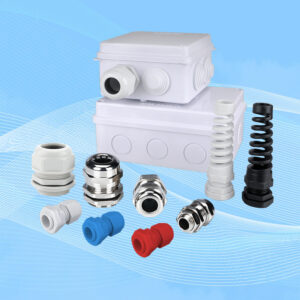
1. Unarmored Cable Glands
Designed for standard electrical cables without metal shielding. These glands provide sealing and strain relief for flexible or non-armored cables.
2. Armored Cable Glands
Specifically designed to terminate armored cables. They include grounding mechanisms and extra clamping to ensure proper electrical bonding and mechanical security.
3. EMC Cable Glands
EMC (Electromagnetic Compatibility) glands are used to prevent electromagnetic interference (EMI). These glands ensure grounding and shielding for data cables or sensitive electronics.
4. Explosion-Proof Cable Glands
Explosion-proof glands are used in hazardous environments where flammable gases or dust may be present. They are certified for use in ATEX or IECEx zones and ensure safety through robust sealing.
Based on Thread Type
Cable glands also vary by the type of thread:
-
Metric thread
-
PG thread
-
NPT thread
-
BSP thread
Thread type selection depends on regional standards and equipment compatibility.
Conclusion
Selecting the right cable gland type depends on the cable construction, environmental conditions, and installation requirements. Whether you need plastic or metal, armored or unarmored, understanding these types helps ensure safe and effective cable management in any setting.
FAQs
Q1: How do I choose between nylon and metal cable glands? A: Choose nylon glands for lightweight applications, cost-efficiency, and standard environments requiring good weather resistance. Choose metal (brass or stainless steel) glands when you need higher impact resistance, structural grounding, or operation in corrosive and high-temperature environments.
Q2: What do thread types like PG, M, and NPT mean? A: These refer to the thread standard of the cable gland. M (Metric) is the global standard, PG is a traditional European standard (Panzer-Gewinde), and NPT is commonly used in North American markets. Always match the gland thread to your enclosure’s knockout hole standard.
