


Introduction
When it comes to securing items to walls, choosing the right wall plug is essential. The correct wall plug ensures a secure and long-lasting fix. In this guide, we’ll explore the different types of wall plugs, their uses, and provide essential installation tips to help you choose the right plug for your project.
Types of Wall Plugs
There are various types of wall plugs, each suited for different wall materials and purposes:
Plastic Wall Plugs
Commonly used for light to medium-duty applications, such as hanging pictures or light fixtures on plaster or drywall.
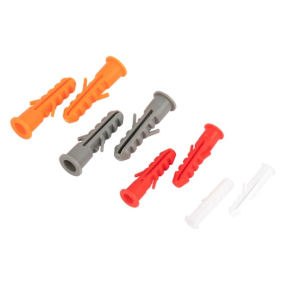
Metal Wall Plugs
Ideal for heavier loads, providing extra strength for concrete or brick walls.
Expanding Wall Plugs
These are ideal for hollow or drywall applications, expanding as the screw is driven in to provide a secure hold.
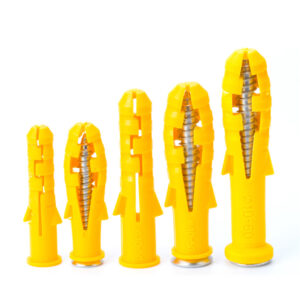
Hammer-in Wall Plugs
Designed for quick installation in masonry, these plugs require no screwing and can be hammered directly into the wall.
Wall Plugs with Metal Inserts
These are ideal for industrial applications, offering a highly secure hold with heavy-duty performance.
Choosing the Right Wall Plug for Your Wall Type
Different walls require different types of wall plugs to ensure proper fixing:
Plaster or Drywall
For lighter installations, plastic or expanding wall plugs are ideal.
Concrete or Brick
Metal wall plugs or wall plugs with metal inserts are better suited to handle the heavy load in solid wall materials.
Hollow Walls
Expanding wall plugs work well in hollow or drywall surfaces, where they expand to provide a strong anchor.
Wall Plug Installation Tips
Correct installation of wall plugs ensures long-lasting and secure fittings. Here are some tips for success:
-
Step 1: Choose the right wall plug based on your wall type and the weight of the item you want to mount.
-
Step 2: Drill a hole of the appropriate size for the wall plug.
-
Step 3: Insert the wall plug into the hole and make sure it’s flush with the wall.
-
Step 4: Insert the screw and tighten it carefully, ensuring the wall plug expands or holds securely in place.
Common Mistakes to Avoid
-
Wrong Plug Size: Always match the wall plug size to the screw and the weight of the item.
-
Over-tightening: Avoid over-tightening screws, as this can cause damage to the wall plug or wall surface.
-
Not Drilling the Right Hole Size: Using the wrong drill bit size can result in a loose fit and reduced load-bearing capacity.
FAQs
How do I know which wall plug to use?
Choose a wall plug based on the wall material and the weight of the object you are hanging. For heavy-duty applications, opt for metal plugs or those with metal inserts.
Can I use a plastic wall plug in concrete?
Plastic wall plugs are best suited for lighter applications on softer materials. For concrete, metal plugs or plugs with metal inserts offer superior strength.
How deep should I drill for wall plugs?
The drill depth should match the length of the wall plug. Check the packaging for recommendations based on the plug type.
Conclusion
Wall plugs are essential for secure and lasting installations in any environment. By selecting the right type of plug and following proper installation steps, you can ensure your fixtures stay firmly in place. Visit Niuli Electric for high-quality wall plugs that meet your needs for home and industrial applications.
