



Introduction
In electrical engineering and industrial automation, ensuring secure, reliable, and organized wire connections is essential. Whether you are wiring a control cabinet or assembling heavy machinery, terminal blocks serve as the backbone of safe power and signal distribution.
Because different applications require different wiring methods, manufacturers offer a wide variety of terminal blocks. In this comprehensive guide, we will explore the different types of terminal blocks and their specific uses to help you make an informed choice.
Terminal blocks are essential components used in electrical systems for connecting and securing multiple wires. With so many types available, it’s important to understand their functions and where to use them. In this blog, we’ll explore the different types of terminal blocks and their practical applications in electrical wiring.
Terminal Block Types Categorized by Connection Technology
-
Screw Clamp Terminal Blocks: The most traditional and widely used type. They utilize a metal screw to clamp down on the wire conductor, providing a secure, high-contact-pressure connection. Ideal for high-vibration environments and heavy-duty industrial power distribution.
-
Spring Clamp (Cage Clamp) Terminal Blocks: These use a spring-loaded clamping mechanism that maintains constant pressure on the wire. They are highly resistant to vibration, require no torque tools, and drastically reduce wiring time, making them popular in railway and factory automation.
-
Push-in Terminal Blocks: A modern, time-saving solution that allows solid wires or ferrule-equipped stranded wires to be inserted directly into the terminal without tools. They offer fast installation and secure pull-out resistance.
-
Barrier Terminal Blocks: Designed with physical barriers between individual circuits to prevent short circuits and electrical arcing. Commonly used in power supplies and heavy electrical appliances.
Key Applications Across Industries
Terminal blocks are ubiquitous across modern industrial sectors, including:
-
Industrial Automation & Control Panels: Connecting PLC inputs, outputs, and sensors in control cabinets.
-
Power Distribution & Switchgear: Managing high-current power feeds safely.
-
HVAC Systems: Organizing complex heating, ventilation, and air conditioning wiring.
-
Transportation & Railway: Withstanding constant mechanical shock and vibration.
What is a Terminal Block?
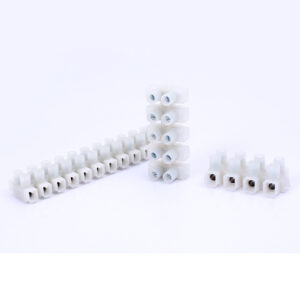
A terminal block is an electrical component used to connect multiple wires together in a secure and organized manner. It consists of a series of terminals (contact points) that allow for a safe and reliable connection between wires. Terminal blocks are used in a wide range of applications, from household wiring to complex industrial electrical systems. They offer a neat and effective solution for connecting wires and can help prevent accidents such as short circuits or electrical fires by providing secure, insulated connections.
The Different Types of Terminal Blocks and Their Uses
Barrier Terminal Blocks
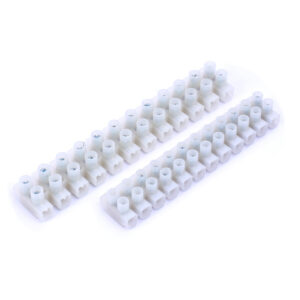
Barrier terminal blocks are designed with a barrier separating the electrical connections. These blocks are ideal for high-voltage systems where you need to isolate different circuits. They’re commonly used in industrial environments for equipment like control panels and power distribution systems, ensuring safety and preventing accidental short circuits.
Screw Terminal Blocks
Screw terminal blocks use screws to secure wires to the block. These are the most common type and are easy to use, providing a strong and reliable connection. Screw terminal blocks are versatile and can be used for a wide range of applications, from household wiring to industrial machines, offering durability and flexibility.
Spring Clamp Terminal Blocks
Spring clamp terminal blocks use a spring mechanism to hold wires in place, which offers a quick and secure connection. These blocks are useful in applications where ease of installation is critical. Spring clamp terminal blocks are often used in environments where wires need to be frequently connected or disconnected, such as in machinery or testing equipment.
Feed-Through Terminal Blocks
Feed-through terminal blocks are designed to allow the passage of electrical current through the block to another wire. They’re typically used in applications where you need to connect multiple devices, like in power distribution or circuit connections in larger installations. They’re simple, reliable, and cost-effective.
PCB Terminal Blocks
PCB (Printed Circuit Board) terminal blocks are specifically designed to mount directly onto a circuit board. They are often used in electronic devices, offering a compact solution for connecting external wires to the circuit board. PCB terminal blocks are commonly used in consumer electronics, robotics, and automation systems.
FAQs
How do I choose the right terminal block for my project?
Choosing the right terminal block depends on your application. For higher-voltage systems, barrier terminal blocks are recommended. For general use, screw terminal blocks are reliable. Consider the ease of installation, space, and type of connection needed when selecting.
Can terminal blocks be used for both AC and DC circuits?
Yes, terminal blocks are versatile and can be used in both AC and DC circuits. However, make sure the terminal block is rated for the type of current in your system to ensure safety and performance.
Are terminal blocks safe to use in industrial environments?
Yes, many types of terminal blocks, especially barrier and screw terminal blocks, are designed to withstand harsh industrial environments. They ensure secure connections and can handle high electrical loads, making them suitable for industrial equipment and machinery.
How do I choose between screw and spring-clamp terminal blocks?
A: Choose screw clamp blocks when you need maximum clamping force and high-current tolerance in traditional setups. Choose spring-clamp or push-in blocks if your application involves high vibration, requires frequent maintenance, or demands ultra-fast wiring assembly.
What is the purpose of a ground terminal block?
A: Ground (earthing) terminal blocks are designed to securely connect the metal chassis or grounding wires of electrical equipment to the DIN rail or protective earth circuit, preventing electric shock and equipment damage.
Conclusion
Understanding the different types of terminal blocks and their uses will help you make the right choice for your electrical projects. Whether you’re wiring a control panel, assembling an industrial machine, or connecting consumer electronics, Niuli Electric offers reliable terminal blocks for all your needs. Shop with us today!
