



Introduction
Terminals and connectors both join electrical circuits, but they are not the same. A terminal is a fixed endpoint that creates a permanent or semi-permanent wire attachment, while a connector is a mating pair built for quick, repeatable disconnection. Choose a terminal when the joint should stay put, and a connector when you need to plug and unplug.
When it comes to electrical systems, choosing the right components is crucial for performance and safety. Terminals and connectors are both used to establish electrical connections, but they serve different purposes. This blog will help you understand the differences between terminals and connectors and how to select the right one for your project.
What are Terminals?
Terminals are electrical components used to connect wires or cables to a system or device. They are typically fixed in place and designed to hold the wire securely. Terminals come in various types, including spade, ring, and fork terminals, each suited to different applications.
Benefits of Terminals:
- Reliable Connection: Provides a stable and secure connection.
- Versatility: Suitable for a wide range of applications, including automotive, industrial, and electrical systems.
- Ease of Use: Simple to install with minimal tools.

What are Connectors?
Connectors, on the other hand, are components used to join two or more electrical circuits. Unlike terminals, connectors allow for quick and easy disconnection, making them ideal for applications that require frequent assembly and disassembly. There are several types of connectors, including push-fit, plug-and-socket, and blade connectors.
Benefits of Connectors:
- Quick and Easy Disconnection: Ideal for situations that require frequent disconnection.
- Variety: Available in different sizes and styles for various applications.
- Secure Fit: Ensures a solid electrical connection even under stress.
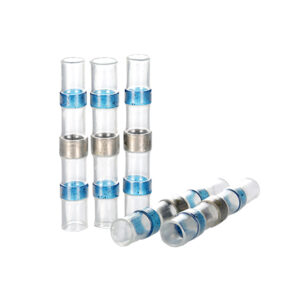
Key Differences Between Terminals and Connectors
While both terminals and connectors serve to establish electrical connections, there are key differences between the two:
1. Purpose
- Terminals: Used to provide a permanent or semi-permanent connection to wires or cables.
- Connectors: Designed to allow for easy, quick connections and disconnections.
2. Installation
- Terminals: Typically require crimping or screwing into place.
- Connectors: Often involve a simple plug-in or locking mechanism for easy setup.
3. Applications
- Terminals: Common in fixed installations, such as electrical panels or automotive wiring.
- Connectors: Used in situations where disconnection or flexibility is needed, like in electronic devices or portable equipment.
4. Durability
- Terminals: Designed for long-term use in stable environments.
- Connectors: Often used in dynamic environments where frequent connections and disconnections are needed.
Which One Should You Choose for Your Project?
The choice between terminals and connectors depends on your specific project needs:
- Choose Terminals if: You need a reliable, permanent connection that doesn’t require frequent disconnection, such as in industrial or automotive applications.
- Choose Connectors if: You require flexibility and the ability to easily disconnect and reconnect wires, ideal for electronics, machinery, and devices that require regular maintenance.
FAQs
What’s the main difference between a terminal and a connector?
Terminals are used for permanent or semi-permanent connections, while connectors are designed for easy and frequent disconnection.
Can connectors be used as a substitute for terminals?
While connectors can be used in place of terminals in some situations, they are typically not as secure for permanent installations.
Are terminals or connectors more expensive?
The cost can vary, but terminals are generally more affordable for permanent installations, while connectors may have a higher cost due to their quick-connect features.
Can I use terminals and connectors together?
Yes, in some systems, both terminals and connectors may be used together to provide both permanent connections and flexibility.
How do I choose the right terminal or connector for my project?
Consider factors such as the need for disconnection, the environment of the installation, and the durability required when selecting between terminals and connectors.
Conclusion
Terminals and connectors play vital roles in electrical systems, each suited to different needs. Niuli Electric offers high-quality terminals and connectors for all your electrical projects. Explore our selection today and find the right components to ensure safe, reliable, and efficient connections in your system.
