Choosing the right terminal block material is critical for ensuring reliable electrical connections and long-term performance. Different materials offer unique advantages depending on your environment. In this article, you’ll learn the pros and cons of common terminal block materials and how to select the best option for your specific application.
What Are Terminal Blocks?
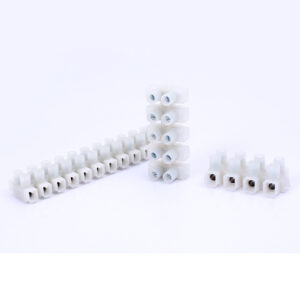
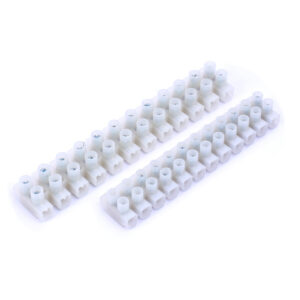
Terminal blocks are electrical connectors that join multiple wires, providing a safe, organized, and reliable connection point. The material of the terminal block directly affects durability, conductivity, resistance to corrosion, and suitability for specific environments.
Common Terminal Block Materials
Polyamide (Nylon)
Lightweight, durable, and resistant to many chemicals
Good for indoor applications with moderate temperature and humidity
Limited UV and extreme temperature resistance
Polycarbonate
High mechanical strength and heat resistance
Transparent options allow easy inspection
Better than nylon for higher temperature environments, but more expensive
Phenolic
Excellent heat resistance and electrical insulation
Suitable for high-temperature industrial applications
Brittle compared to other plastics; careful handling required
Metal (Copper, Aluminum, or Tin-Plated Steel)
Excellent electrical conductivity
Typically used for the conductive parts inside terminal blocks
Must be paired with insulated housings for safety
How to Choose the Right Material for Your Environment
Indoor, low-stress environment: Polyamide is cost-effective and durable
High-temperature or industrial environment: Phenolic or polycarbonate for heat resistance
High electrical current or demanding applications: Metal conductive blocks with appropriate insulation
Outdoor or UV-exposed environments: UV-resistant polycarbonate or specialized weather-resistant housings
Additional Considerations
Resistance to chemicals, oils, and moisture
Fire-retardant ratings for safety compliance
Ease of installation and maintenance
Longevity under vibration or mechanical stress
FAQs
Q: Can I mix different materials in the same panel?
Yes, but ensure compatibility with voltage, temperature, and environmental conditions.
Q: Are all terminal block plastics safe for high-voltage applications?
No. Always check the material’s electrical insulation rating before use.
Q: How do I maintain terminal blocks in harsh environments?
Regular inspection, cleaning, and replacing any worn or damaged parts helps maintain performance and safety.
Conclusion
Selecting the right terminal block material ensures safe, durable, and reliable electrical connections. Niuli Electric offers a wide range of high-quality terminal blocks made from nylon, polycarbonate, phenolic, and metal components. Choose Niuli Electric to match the material to your environment and ensure long-lasting, efficient electrical installations.