


Table of Contents
ToggleIntroduction
When fixing shelves, equipment, or heavy structures to walls or concrete surfaces, choosing the right fastener determines safety and durability. You may hesitate between plastic wall plugs and expansion bolts. Understanding their strength, applications, and limitations helps you select the most reliable solution for your specific project needs.
What Are Plastic Wall Plugs?
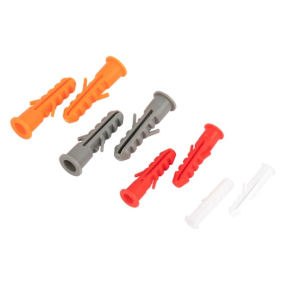
Plastic wall plugs (also called wall anchors) are plastic sleeves inserted into drilled holes. When you drive a screw inside, the plug expands to grip the surrounding material.
You commonly use them for:
- Brick and drywall
- Light to medium loads
- Home installations
- Electrical fixtures and cable supports
They provide easy installation with cost-effective performance.

What Are Expansion Bolts?
Expansion bolts are heavy-duty metal fasteners designed for concrete, stone, and solid masonry. When tightened, the metal sleeve expands firmly against the hole walls.
You typically use them for:
- Structural installations
- Machinery mounting
- Steel frames and handrails
- High load-bearing applications
They deliver strong mechanical anchoring.
Plastic Wall Plugs vs Expansion Bolts: Key Differences
| Feature | Plastic Wall Plugs | Expansion Bolts |
| Material | Nylon or plastic | Steel or stainless steel |
| Load Capacity | Light to medium | Heavy-duty |
| Installation | Simple screw fixing | Requires tightening torque |
| Best Surfaces | Brick, drywall, block | Concrete, solid stone |
| Cost | Low | Higher |
| Durability | Moderate | Extremely high |
When Plastic Wall Plugs Are the Better Choice
You can easily secure cable clips, junction boxes, switches, and small brackets.
They install fast and require minimal tools.
Ideal for plasterboard, brick, and lightweight concrete.

When Expansion Bolts Are the Right Solution
Use them for shelving systems, industrial equipment, and support frames.
They resist vibration, impact, and long-term stress.
Perfect for structural strength requirements.
How to Choose the Right Fastener for Your Project
Ask yourself:
- How much weight will it support?
- Is the wall solid concrete or hollow brick?
- Is this a temporary or permanent installation?
- Will vibration or outdoor exposure occur?
If the load is light : choose plastic wall plugs.
If safety and strength matter : choose expansion bolts.
FAQs
Q:Are plastic wall plugs strong enough for shelves?
Yes, for light to medium shelves on brick or drywall, but not for heavy loads.
Q:Can expansion bolts be used in brick walls?
They work best in solid concrete. Brick may crack under high expansion force.
Q:Which is easier to install?
Plastic wall plugs are simpler and faster.
Q:Do plastic wall plugs last long?
Quality nylon plugs can last many years indoors.
Q:Which is more secure?
Expansion bolts provide the highest load-bearing strength.
Conclusion
Choosing between plastic wall plugs and expansion bolts depends on your load requirements and surface type. For everyday installations, wall plugs offer convenience and efficiency. For heavy-duty applications, expansion bolts deliver unmatched strength. Niuli Electric supplies high-quality wall plugs designed for reliable, long-lasting performance you can trust.
