



Introduction
When it comes to electrical wiring, selecting the right terminals is crucial for the safety, efficiency, and longevity of your installation. Whether you’re working on a DIY project or a professional electrical installation, knowing how to choose the right terminals can make all the difference. In this guide, we’ll walk you through the key factors to consider when selecting the right terminals for your wiring needs.
What Are Terminals?
Terminals are connectors that allow electrical wires to be attached to other components in a circuit. They help establish a secure and reliable electrical connection, ensuring the smooth flow of current while preventing electrical hazards like shorts or overheating. There are many types of terminals, each designed for specific applications.

Factors to Consider When Choosing Terminals
Wire Gauge
The wire gauge refers to the thickness of the wire, which is crucial when selecting a terminal. Terminals are designed to accommodate specific wire gauges, so you must choose the right size for a secure fit. Using a terminal that’s too large or too small can lead to poor connections or safety risks.
Material
The material of the terminal determines its conductivity and durability. Common materials include copper, brass, and aluminum. Copper is widely used due to its excellent conductivity, while brass is known for its strength and corrosion resistance. Choose the material based on the environmental conditions and conductivity requirements.
Connection Type
Different terminals are designed for different types of connections. For instance, ring terminals are ideal for connecting to a screw or stud, while spade terminals are used for quick connections and disconnections. Choose the right terminal based on your application, whether it’s for a permanent connection or one that requires frequent removal.
Insulation
Depending on the application, you may need insulated or non-insulated terminals. Insulated terminals are necessary when you need to prevent accidental contact with other conductive surfaces or exposed wires, whereas non-insulated terminals are suitable for applications where insulation is not required.
Environmental Considerations
Consider the operating environment of your electrical project. For outdoor or marine applications, corrosion-resistant terminals or those with protective coatings may be necessary to withstand harsh conditions. For industrial applications, terminals with high heat resistance may be essential.
Types of Terminals
Ring Terminals
Ideal for permanent connections, typically used with screws or bolts.

Spade Terminals
Perfect for quick connect and disconnect situations.
Butt Connectors
Used for joining two wires together, providing a secure connection.
Fork Terminals
Best for making connections to a stud or terminal block.
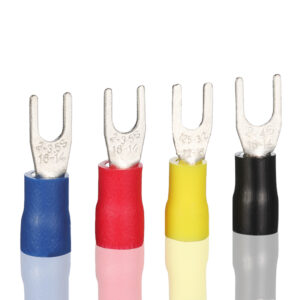
Bullet Terminals
Used for making connections where quick disconnections are needed.
How to Install Electrical Terminals
Step 1: Select the right terminal size for the wire gauge you’re using.
Step 2: Strip the insulation from the wire (if applicable), leaving just enough exposed copper to fit into the terminal.
Step 3: Insert the stripped wire into the terminal and crimp it securely using a crimping tool. Ensure the wire is tightly held in place.
Step 4: If necessary, attach the terminal to a screw or other connection point using a screwdriver or wrench.
FAQs
Can I use any terminal with any wire?
No, it’s essential to match the terminal size with the wire gauge. Using the wrong size terminal can result in a loose or unsafe connection.
What’s the difference between insulated and non-insulated terminals?
Insulated terminals have a protective covering to prevent accidental contact with other surfaces, making them safer for use in exposed wiring applications. Non-insulated terminals are used where insulation is not necessary.
Can I use a crimping tool to install any type of terminal?
Most terminals can be installed with a crimping tool, but ensure the tool is suitable for the type and size of the terminal you’re using. Always follow manufacturer instructions.
Are brass terminals better than copper ones?
Brass terminals are stronger and more resistant to corrosion, making them ideal for certain applications. Copper terminals, however, have better conductivity, making them the preferred choice in many electrical systems.
How can I ensure my terminal connection is secure?
To ensure a secure connection, make sure the wire is properly stripped, the terminal is the correct size, and the crimping is tight. If necessary, test the connection with a multimeter to ensure proper conductivity.
Conclusion
Choosing the right terminals for your wiring projects is crucial for ensuring both safety and efficiency. Whether you’re installing a new circuit or replacing damaged terminals, Niuli Electric offers a wide selection of high-quality electrical terminals designed for various applications. Visit our website today to explore our range and find the perfect terminals for your needs.
