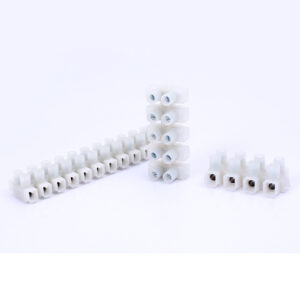
When setting up electrical systems, every connection matters. Choosing the right terminal block ensures that your circuits are safe, organized, and efficient. With so many types and specifications available, selecting the right one can feel overwhelming. This guide will help you make confident and informed choices for your next project.
What Is a Terminal Block?
A terminal block is an electrical connector that allows multiple wires to be safely joined together. It provides a simple, reliable way to manage wiring connections, especially in control panels, machinery, and automation systems. Terminal blocks help prevent loose connections, reduce clutter, and improve maintenance efficiency.
Types of Terminal Blocks
Screw Type Terminal Blocks
The most common type, using screws to secure wires tightly. Ideal for general industrial and electrical use.
Spring Clamp Terminal Blocks
Use a spring mechanism for quick and vibration-resistant connections—perfect for automation and vibration-heavy environments.
Push-in Terminal Blocks
Enable tool-free connections and fast installation, saving time during mass wiring setups.
Barrier Terminal Blocks
Provide clear separation between terminals for high-voltage or multi-circuit applications, improving safety and clarity.
Key Factors to Consider When Choosing a Terminal Block
Current and Voltage Rating
Ensure the block can handle your system’s electrical load without overheating or voltage drop.
Wire Size Compatibility
Match the wire gauge to the terminal block’s capacity for secure and stable connections.
Mounting Type
Choose between DIN rail-mounted, panel-mounted, or PCB-mounted terminal blocks based on your setup needs.
Environmental Conditions
If your project is exposed to moisture, dust, or heat, select terminal blocks with appropriate IP protection or insulation materials.
Material Quality
Opt for corrosion-resistant metals and flame-retardant plastics to ensure durability and safety.
Common Applications of Terminal Blocks
Industrial Control Panels – Organizing and distributing power efficiently.
Automation Systems – Ensuring reliable sensor and motor connections.
Building Wiring – Managing multiple wire connections safely.
Transportation Equipment – Handling vibrations and extreme conditions.
Renewable Energy Systems – Managing solar and wind energy distribution.
Installation Tips for Best Performance
Always strip wires to the correct length before insertion.
Avoid over-tightening screws to prevent wire damage.
Use labeling for easy identification and maintenance.
Choose color-coded terminal blocks for better circuit organization.
FAQs
What is the difference between screw and spring terminal blocks?
A: Screw terminals use mechanical tightening for strong connections, while spring terminals use pressure for faster, vibration-resistant connections.
Can I use terminal blocks outdoors?
A: Yes, if you choose models with waterproof or IP-rated protection designed for outdoor environments.
How do I know what size terminal block I need?
A: Check your wire gauge, current, and voltage requirements before selecting a compatible size.
Conclusion
Choosing the right terminal block is essential for building safe and efficient electrical systems. By understanding the types, ratings, and applications, you can make better decisions that ensure reliability and performance.
At Niuli Electric, we provide high-quality terminal blocks designed for durability, safety, and ease of installation. Explore our range today and find the perfect terminal block for your project.