In industrial environments where temperatures exceed 100°C, standard cable ties often fail prematurely. You need a solution that maintains strength, stability, and safety under constant heat exposure. In this blog, you’ll learn how high-temperature cable ties perform in extreme conditions and how to choose the right option for your application.
What Are High-Temperature Cable Ties?
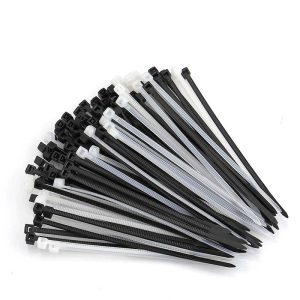
High-temperature cable ties are specially engineered fastening solutions designed to maintain mechanical strength and locking performance in environments above 100°C. Unlike standard nylon ties, they are made from heat-resistant materials that prevent softening, deformation, or brittleness under prolonged thermal stress.
Common materials include:
Heat-stabilized Nylon 6.6
PA46 (Nylon 4.6)
PEEK or special modified polymers
These materials allow cable ties to perform reliably in demanding industrial settings.
How Do High-Temperature Cable Ties Perform Above 100°C?
Heat Resistance and Material Stability
High-temperature cable ties are designed to retain tensile strength at elevated temperatures. While standard nylon ties may soften or creep, heat-resistant ties maintain their locking integrity even during continuous exposure to 100°C–150°C environments.
Long-Term Mechanical Strength
In high-heat areas, cable ties face constant thermal expansion and contraction. High-temperature cable ties resist loosening, ensuring cables remain securely bundled without frequent maintenance or replacement.
Resistance to Aging and Degradation
Extended exposure to heat accelerates material aging. High-temperature cable ties are formulated to resist oxidation, cracking, and embrittlement, delivering longer service life in industrial applications.
Performance in Combined Harsh Conditions
Many 100°C+ environments also involve oil, vibration, or electrical exposure. High-temperature cable ties are often designed to withstand:
Maximum Continuous Temperature Rating – Always choose a tie rated above your actual operating temperature.
Material Type – PA46 for 125°C+, PEEK for extreme heat environments.
Tensile Strength Requirements – Match tie strength to cable weight and vibration level.
Environmental Factors – Oil resistance, UV exposure, or chemical contact.
Choosing the wrong material can lead to early failure and safety risks.
FAQs
Can standard cable ties survive short-term exposure above 100°C?
Standard cable ties may survive briefly, but they will quickly lose strength and fail under continuous heat exposure.
What temperature range do high-temperature cable ties typically support?
Depending on the material, they can handle continuous temperatures from 125°C up to 260°C.
Are high-temperature cable ties more expensive?
Yes, but they significantly reduce replacement frequency and maintenance costs in high-heat environments.
Can high-temperature cable ties be used outdoors?
Many types offer additional UV and weather resistance, making them suitable for outdoor industrial use.
Do high-temperature cable ties require special installation tools?
No, they are installed like standard cable ties, but proper tension control is recommended.
Conclusion
In 100°C+ industrial environments, high-temperature cable ties are not optional—they are essential. They deliver stability, safety, and long-term performance where standard ties fail. Niuli Electric provides reliable high-temperature cable ties engineered for extreme industrial conditions, helping you secure cables with confidence and durability.