


How to Cut Zip Ties Without Scissors: 7 Safe & Practical Methods
Cable ties are designed for permanent, high-strength fastening. However, field technicians, electricians, and everyday users frequently find themselves needing to trim or remove a zip tie when a pair of standard household scissors isn’t available—or simply isn’t strong enough to slice through tough Nylon 66.
Whether you need to trim an excess tail during installation or safely remove a tightly bundled zip tie without damaging sensitive wire insulation, here are the most effective alternative tools and methods to get the job done cleanly and safely.
Cable management is essential in various industries, from home organization to industrial applications. While traditional zip ties provide a secure solution, they are often single-use and require cutting to remove.
Releasable cable ties offer a more flexible and reusable alternative, making them cost-effective and environmentally friendly. But how do they work?
In this guide, we will explore two different types of releasable cable ties and help you choose the best one for your needs.
Learn More: How To Cut Zip Ties Without Scissors
What Are Releasable Cable Ties?
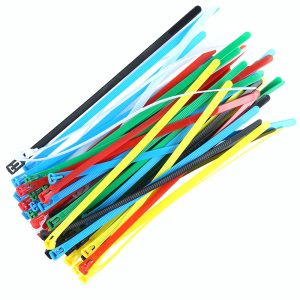
Releasable cable ties are designed to secure, adjust, and release cables or bundled items without cutting the tie. Unlike standard zip ties, which lock permanently, releasable ties feature a built-in unlocking mechanism that allows for multiple uses. They are commonly used in home improvement, data centers, automotive wiring, industrial applications, and more. Depending on the design, some offer easy release buttons, while others use hook-and-loop fastening systems.
How Do Releasable Cable Ties Work?
There are two main types of releasable cable ties: Push-Release Mechanism and Hook and Loop Ties. Let’s examine how each works.
Push-Release Mechanism
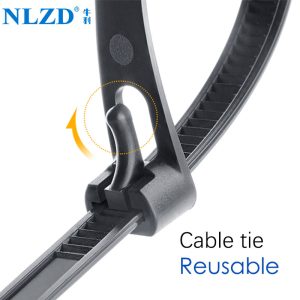
Push-release cable ties work similarly to traditional zip ties but with a small latch or button that allows for easy release. Here’s how they function:
- Locking Mechanism: When you pull the tail through the locking head, the ridged strap catches onto the internal locking mechanism, securing it in place.
- Releasing the Tie: To release, simply press the latch or button located near the head. This disengages the locking teeth, allowing you to remove or adjust the tie without cutting it.
- Best Use Cases: Ideal for applications that require temporary fastening, such as event setups, industrial wiring, and packaging.
Hook and Loop (Velcro) Ties
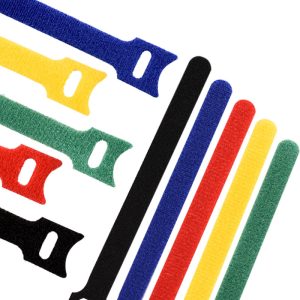
Hook and loop cable ties work using tiny hooks on one side and loops on the other. Here’s how they function:
- Fastening: Wrap the tie around the cables and press the hook side against the loop side. The two surfaces adhere securely.
- Releasing and Adjusting: Simply pull the hook side away from the loop side to loosen, adjust, or remove the tie.
- Best Use Cases: Commonly used in home cable management, networking, and bundling delicate wires, as they do not apply excessive pressure or risk damage.
Push-Release Mechanism VS Hook and Loop Ties
Both types of releasable cable ties offer reusable functionality, but they differ in key aspects:
| Feature | Push-Release Mechanism | Hook and Loop (Velcro) Ties |
|---|---|---|
| Reusability | Multiple uses, but may wear over time | Extremely durable and long-lasting |
| Strength | High tensile strength for heavy-duty use | Lower strength, better for lightweight applications |
| Ease of Use | Requires pressing a latch to release | Simple peel-and-stick operation |
| Best For | Industrial, automotive, and outdoor applications | Home, office, and electronics cable management |
Find the Best Releasable Cable Ties at NLZD
If you’re looking for high-quality releasable cable ties, Niuli offers durable, reliable, and easy-to-use solutions for all your cable management needs.
NLZD Releasable Cable Ties
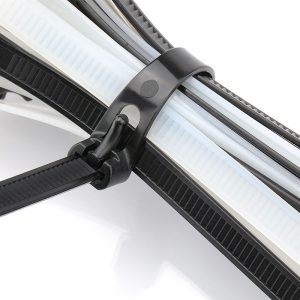
| Feature | Description |
|---|---|
| Features | Reusable, not easy to age |
| Material | UL Approved Nylon 66 |
| Flammability | UL 94V-2 |
| Installation Temperature | -10℃ to 85℃ |
| Working Temperature | -40℃ to 85℃ |
| Color | Natural (White), Black (Custom colors available) |
| Certificates | UL, CE, RoHS, REACH, SGS |
NLZD Hook and Loop Cable Ties
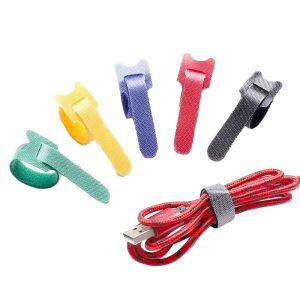
| Feature | Description |
|---|---|
| Features | Reusable, suitable for bundling LAN cables, signal lines, power lines, prevents transmission rate issues caused by over-tightening nylon ties. |
| Material | Hook Side: PP; Loop Side: Nylon |
| Color | White, Black, Yellow, Green, Blue, Red (Custom colors & sizes available) |
| Certificates | CE, RoHS, REACH, SGS |
How to Cut Zip Ties Without Scissors: 7 Safe & Practical Methods
Cable ties are designed for permanent, high-strength fastening. However, field technicians, electricians, and everyday users frequently find themselves needing to trim or remove a zip tie when a pair of standard household scissors isn’t available—or simply isn’t strong enough to slice through tough Nylon 66.
Whether you need to trim an excess tail during installation or safely remove a tightly bundled zip tie without damaging sensitive wire insulation, here are the most effective alternative tools and methods to get the job done cleanly and safely.
Method 1: Use Diagonal Cutting Pliers or Side Cutters (Best Professional Method)
If you are working on electrical wiring or industrial panels, diagonal cutting pliers (dikes) or flush-cut pliers are far superior to scissors.
-
How it works: Place the cutting jaws directly against the zip tie head and squeeze firmly.
-
Why it’s better than scissors: Flush-cut pliers shear straight through heavy-duty nylon without leaving a sharp, jagged edge (a “burr”) that can scratch hands or snag nearby equipment.
Method 2: Utility Knife or Box Cutter (Best for Quick Field Trimming)
A standard utility knife with a fresh blade slices through nylon zip ties with minimal pressure.
-
How to do it safely: Never push the blade directly toward the wires under the tie. Slide the flat side of the blade underneath the zip tie with the sharp edge facing away from the cable bundle, then angle the blade slightly and slice outward.
Method 3: Multi-Tool Wire Cutters or Pliers
Most pocket multi-tools feature integrated wire cutters near the base of the pliers jaws.
-
How it works: Position the zip tie tail as close to the pivot point of the wire cutter notch as possible. Apply steady pressure to shear through thick plastic.
Method 4: The Unlocking Technique (No Damage / Reusable Method)
If you need to remove a zip tie without cutting it at all, you can easily release the locking mechanism using a thin, rigid object.
-
How it works: Locate the small ratchet locking pawl inside the square head of the zip tie. Insert a small flathead screwdriver, pushpin, or sturdy paperclip between the pawl and the flexible ratchet track to disengage the tooth. Pull the tail backward out of the head.
Method 5: Friction Sawing with String or Paracord (Emergency Method)
When no sharp tools or metal implements are available, heat generated by friction can cut through nylon quickly.
-
How it works: Loop a piece of durable string or paracord underneath the zip tie. Hold both ends tightly and saw back and forth in a rapid motion. The friction creates high local heat, causing the plastic tie to melt and snap open within seconds.
Method 6: Fingernail Clippers
Standard fingernail or toenail clippers work surprisingly well on thin to medium-width zip ties.
-
How it works: Nibble at the edges of the zip tie strap or cut directly into the ratchet head. Their curved jaw design makes it easy to nip off small excess tails cleanly.
Method 7: Controlled Heat (Lighter or Heated Metal)
In an emergency where mechanical tools are absent, localized heat can soften the plastic strap.
-
How it works: Heat a metal key or screwdriver tip with a flame, then press the hot metal against the tie until it melts through. Caution: Avoid applying open flames directly near wire insulation, flammables, or delicate components.
Tool Performance & Safety Comparison
| Removal Method | Tool Used | Speed | Safety Level | Leaves Sharp Burr? | Reusable Tie? |
| Flush Cutters | Diagonal Pliers | Instant | Very High | No (Clean Cut) | No |
| Utility Knife | Box Cutter | Fast | Moderate | Minimal | No |
| Pawl Release | Pin / Small Screwdriver | Moderate | High | None | Yes |
| Friction Sawing | Tough String / Cord | Fast | High | N/A | No |
| Nail Clippers | Fingernail Clippers | Moderate | High | Slight | No |
| Controlled Heat | Lighter / Hot Metal | Slow | Low | N/A | No |
How to Prevent Sharp Edges When Trimming Zip Ties
One of the biggest issues with using improper tools like kitchen scissors or standard wire snips is that they leave a razor-sharp plastic edge on the cut tail. In professional panel building and automotive wiring, these sharp edges are notorious for causing skin lacerations during routine maintenance.
To achieve a smooth, professional finish:
-
Use Professional Cable Tie Guns: Automatic tensioning and cutting tools pull the tie to a set tension and cut the tail completely flush inside the locking head.
-
Twist with Pliers: If you don’t have flush cutters, grip the excess tail with linesman pliers close to the head and twist 90 degrees back and forth. The plastic will fatigue and break off inside the head, leaving zero sharp burrs.
FAQs
-
Q: Why are standard scissors bad for cutting thick zip ties?
-
A: Scissors rely on shearing action between two thin blades. Heavy-duty nylon 66 zip ties have high tensile strength and density, which can dull or bend standard scissor blades and leave jagged, dangerous plastic burrs.
-
-
Q: Can you melt a zip tie off safely?
-
A: While localized heat can break a tie, it should only be used as a last resort in non-hazardous environments. Always ensure there are no combustible gases, delicate rubber jackets, or exposed copper wires nearby.
-
-
Q: How do I choose zip ties that don’t snap prematurely during installation?
-
A: Premature snapping is usually caused by low-grade recycled plastic or improper moisture balance in the nylon. Choosing high-purity, UL-approved Nylon 66 ties ensures optimal flexibility and tensile strength without brittle snapping. You can also review specialized high-purity raw material options, such as industrial lead-free solder bar assemblies and heavy-duty ties, for reliable manufacturing setups
-
Conclusion
Releasable cable ties are an excellent alternative to traditional zip ties, offering reusability, adjustability, and ease of use. Whether you choose a push-release mechanism for industrial strength or hook and loop ties for flexible applications, these ties provide a cost-effective and eco-friendly solution for cable management.
Need the best releasable cable ties? Check out Niuli’s premium collection today!
References
Releasable cable ties – which types are there and how do they work?
