


Introduction
In high-volume plastic manufacturing, efficiency and waste reduction are the keys to profitability. While traditional cold runner molds serve basic needs, a hot runner injection molding system is the industry standard for precision, speed, and zero-scrap production.
As a professional manufacturer managed under the CableTieNylon brand, we understand the technical demands of plastics processing. This comprehensive guide breaks down what hot runner systems do, how they operate, and how to select the right setup for your injection molding factory.
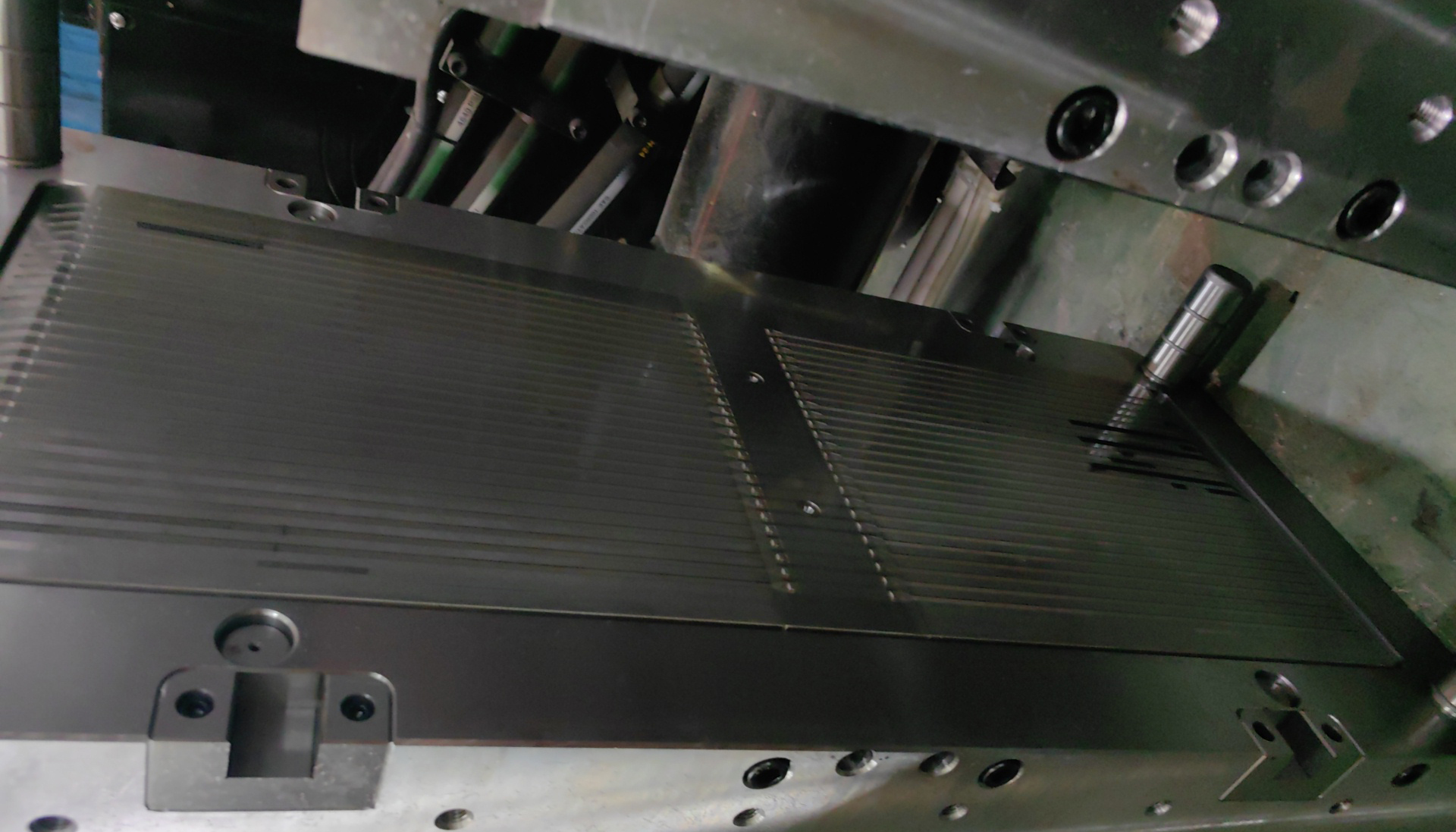
The hot runner is to keep the plastic in the runner and gate in a molten state by heating. Since there are heating rods and heating rings near or in the center of the runner, the entire runner from the nozzle outlet of the injection molding machine to the gate is in a high temperature state, so that the plastic in the runner keeps melting. Generally, it is not necessary to open the runner to take out the condensation When starting the machine again, it only needs to heat the runner to the required temperature. For this reason, the hot runner process is sometimes referred to as a hot manifold system, or as runnerless molding.
Advantage:
1. Save raw materials and reduce costs.
2. Shorten molding cycle and improve machine efficiency
3. Point gates can be used without using three-plate molds.
4. It can make the internal molecular structure of the product more stable and improve the mechanical properties.
5. Increase the degree of automation.
6. The number of products that can be injection molded at the same time (that is, the number of products per mold) is more, and the output is higher.
7. The quality of the injection molded parts of the multi-cavity mold is consistent.
8. Improve the surface aesthetics of injection molded products.
9. Smaller injection pressure can be used, which can effectively reduce the post-deformation of thin-walled products.
10. Evenly heat the cable ties, reduce the internal stress caused by sudden cooling, and reduce Evenly heat the cable ties, reduce the cable ties particularly easy to break in the winter season.
Disadvantage:
1. The mold structure is complex, the cost is high, and the maintenance cost is high.
2. It takes longer time for the process to be stable after starting up, resulting in more waste products at the beginning.
Niuli Electric uses newly automatic hot runner injection molding system, specializing in the production of nylon cable ties, welcome to inquire and cooperate.
What is the Core Difference: Hot Runner vs. Cold Runner Systems?
Understanding how the plastic flows is vital for procurement managers deciding on mold investments.
-
How a Cold Runner Works: The plastic melts, fills the mold cavities, and cools inside the runner channel. This creates a solid “runner scrap” that must be ejected and recycled every cycle, wasting time and material.
-
How a Hot Runner Works: The manifold and nozzles are chemically heated, keeping the plastic in a molten state constantly. Only the plastic inside the actual product cavity cools and ejects.
-
The Result: Zero runner waste, faster cycle times, and reduced energy consumption per part.
What are the Main Types of Hot Runner Systems?
Depending on your product’s aesthetic and material requirements, you must choose between two primary gating methods:
-
Open Gate Hot Runner Systems: The simplest design where the plastic flows naturally through the tip. Ideal for high-production parts where a small cosmetic vestige (gate mark) on the surface is acceptable (e.g., standard caps, industrial components).
-
Valve Gate Hot Runner Systems: These feature a mechanical valve pin that physically shuts off the gate at the exact microsecond the cavity is filled.
-
The Advantage: This creates a completely flawless, smooth surface finish with no visible gate marks—essential for medical devices, automotive lenses, and premium packaging.
How to Choose the Right Hot Runner Nozzle Design?
The choice of nozzle type impacts thermal distribution and cavity balancing.
-
Point Gating Nozzles: Delivers the melt directly to the part surface, ideal for thin-walled plastic components.
-
Edge Gating Nozzles: Allows for lateral injecting into multiple cavities simultaneously, maximizing space inside smaller mold bases.
-
Material Consideration: When molding abrasive plastics (like glass-filled Nylon PA66), ensure your hot runner nozzle tips are made from wear-resistant alloys like copper-beryllium or carbide.
-
To protect the delicate wiring of thermocouple sensors and manifold heaters from heavy mechanical abrasion and high temperatures on the molding floor, we highly recommend heavy-duty Cable Sleeves for streamlined cable routing

Troubleshooting Guide: How to Fix Common Hot Runner Failures?
To help production engineers on the shop floor, here is a quick reference for common injection molding defects:
-
Issue 1: Gate Drooling or Stringing
-
What causes it: The nozzle temperature is too high, or the cooling around the gate area is insufficient.
-
How to fix it: Lower the nozzle tip temperature slightly or optimize the water cooling channels near the gate.
-
-
Issue 2: Thermal Degradation (Black Spots)
-
What causes it: Plastic is overheating or sitting stagnant inside the manifold channel for too long.
-
How to fix it: Reduce the overall hot runner system hold temperature or ensure the manifold has balanced, streamlined internal flow channels.
-
Technical Comparison: Open Gate vs. Valve Gate Systems
| Technical Question | Open Gate Hot Runner | Valve Gate Hot Runner |
| What is the gate quality? | Small pin vestige | Flawless / Invisible mark |
| How does it handle cycle time? | Fast | Extremely Fast (Controlled mechanical shut-off) |
| Is it suitable for high-viscosity resins? | Moderate | Excellent (Mechanical force pushes resin) |
| Initial Investment Cost? | Economical | Higher (Requires pneumatic/hydraulic controls) |
FAQs
Q1: What plastics can be used with a hot runner system?
Most thermoplastics can be used, including PP, PE, PS, and ABS. However, thermally sensitive resins like PVC require highly specialized temperature control to prevent burning inside the manifold.
Q2: How do I calculate the return on investment (ROI) for a hot runner mold?
Multiply your monthly material waste savings (from eliminating cold runners) plus the financial gains from faster cycle times. In high-volume packaging or automotive component manufacturing, a hot runner mold typically pays for itself within 6 to 12 months.
When securing high-power wiring harnesses close to the heated manifold, traditional plastic ties will melt. Industrial engineering teams should always utilize flame-proof Stainless Steel Ties to withstand extreme mold temperatures.
Conclusion
Knowing what hot runner configuration fits your mold design and how to maintain precision temperature control is crucial for modern manufacturing. Don’t let cold runner waste drag down your production margins.
