



Key Takeaways
- Furnace and oven panels run hot, so terminals must keep their shape and conductivity at temperature.
- Ceramic terminal blocks resist heat and arc tracking but are brittle and shock-sensitive.
- Nickel-plated copper lugs and terminals survive heat plus corrosion and take vibration better.
- Pair heat-rated terminals with high-temperature cable ties and sleeves, not standard nylon.
- Keep the terminal below its rated temperature; derate current as temperature rises.
Industrial furnaces, ovens and kilns put wiring in a place most terminals were never designed for: right next to hundreds of degrees of radiated and convected heat. At those temperatures a standard nylon terminal softens, a PVC sleeve melts, and a plain copper lug oxidises. The accessories have to be chosen for the thermal environment, not the electrical rating alone. The two common answers are ceramic terminal blocks and nickel-plated copper lugs, and they solve different parts of the problem.
What “High Temperature” Means Here
“High temperature” in a furnace panel is not 60 °C — it can be 150 °C at the enclosure wall and far more a few centimetres from the heater. The terminal’s rated temperature is the number that matters, and you must leave margin: a part rated 200 °C should not sit at 200 °C continuously. Also remember that current heats the joint too, so a hot environment means a bigger derating of the ampacity.
Ceramic Terminal Blocks
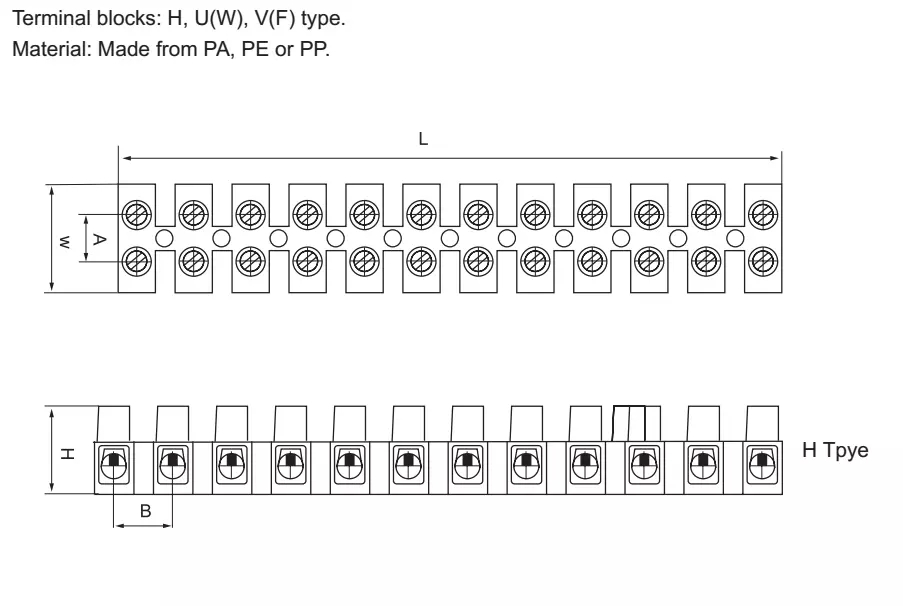
Ceramic (steatite or similar) terminal blocks shrug off heat that would melt a plastic body, and ceramic resists arc tracking, so they are common on heater-element connections inside ovens. Their downside is brittleness: a ceramic block cracks if dropped or shock-loaded, and it is heavier and dearer than a plastic one. Use ceramic where the body itself sees sustained heat and you need track resistance; protect it from impact.
Nickel-Plated Copper Lugs
A copper lug plated with nickel keeps the conductivity of copper while the nickel layer resists the oxidation that plain copper suffers at heat. Nickel also withstands many furnace atmospheres better than tin, which melts and flows at elevated temperature. Nickel-plated lugs and terminals are the choice for power connections that must survive both heat and corrosion and take vibration — they are tougher than ceramic and simpler to crimp.
Comparison Table
| Property | Ceramic Block | Ni-Plated Copper Lug |
|---|---|---|
| Max body temp | Very high (300 °C+) | High (lug, not body-limited) |
| Arc tracking | Excellent | N/A (conductor join) |
| Shock / vibration | Brittle | Tough |
| Corrosion at heat | Good | Excellent (nickel) |
| Cost | Higher | Mid |
| Use | Heater-element joints | Power lugs, terminals |
Table 1. Ceramic blocks vs nickel-plated lugs for furnace wiring.
Heat-Rated Cable & Ties
The terminal is only half the story. The cable and its fixings must match. Use silicone- or fiberglass-insulated wire for the hot zone, and secure it with high-temperature cable ties rather than standard nylon, which softens and lets the bundle sag onto the heater. Heat-shrink tubing in a high-temperature grade seals those joints without melting.
Current Derating at Heat
Ampacity falls as temperature rises. A terminal rated 30 A at 40 °C may only carry 20 A at 100 °C. Read the derating curve and size up; a joint that runs hot ages fast and can fail closed (and dangerously). When in doubt, move the terminal out of the hottest zone or force air past it.
Installation Notes
- Mount ceramic blocks on a rigid, shock-isolated surface; never where they can be struck.
- Crimp nickel-plated lugs with the matched die; do not tin the strands (it wicks and creeps at heat).
- Keep terminations clear of direct flame and radiant surfaces with a heat shield if needed.
- Use high-temperature ties and sleeves through the hot zone; standard nylon will fail.
Worked Example: An Industrial Oven Door
An industrial oven door heater connects inside the panel where the wall runs 160 °C. A nylon terminal softens and the joint loosens; a tinned copper terminal wicks and creeps. The build uses a ceramic terminal block for the element joints (arc-track resistant, heat-proof) mounted on a rigid bracket away from impact, with nickel-plated copper lugs on the power feeds and high-temperature ties through the hot zone. Current is derated for the temperature, so the joints stay cool and the oven runs without intermittent heating faults.
A practical check: after first heat-up, re-torque the lugs and feel each joint — a warm-but-not-hot joint is correct, a hot one is undersized or loose. Log the wall temperatures and revisit the derating if the enclosure runs hotter than the design assumed. Small verification steps at commissioning prevent a furnace-panel failure six months later.
Niuli High-Temp Options
Niuli Electric supplies terminal blocks and tin/nickel-plated terminals for furnace and oven panels, plus high-temperature cable ties and high-temperature heat-shrink tubing to complete a heat-rated wiring package.
Quick Selection Checklist
- Furnace and oven panels run hot, so terminals must keep their shape and conductivity at temperature.
- Ceramic terminal blocks resist heat and arc tracking but are brittle and shock-sensitive.
- Nickel-plated copper lugs and terminals survive heat plus corrosion and take vibration better.
- Pair heat-rated terminals with high-temperature cable ties and sleeves, not standard nylon.
- Keep the terminal below its rated temperature; derate current as temperature rises.
Frequently Asked Questions
Why not use standard nylon terminals near a furnace?
Nylon softens and the barrel loses shape; the joint loosens and heats. Use ceramic or metal-bodied terminals.
Are ceramic blocks better than metal lugs?
For heater-element joints needing arc-track resistance, yes; for tough power lugs taking vibration, nickel-plated copper is better.
Why nickel plate instead of tin?
Tin melts and flows at furnace temperatures; nickel stays put and resists oxidation better.
Do I derate current at high temperature?
Always — ampacity drops as temperature rises; read the curve and size up.
Can I tin the strands before crimping?
No for high heat — tin wicks and creeps; use a bare copper crimp with a nickel-plated lug.
What ties survive furnace heat?
High-temperature (heat-stabilised nylon or PPS) ties, not standard nylon which sags and releases the bundle.
Is ceramic brittle?
Yes, it cracks under shock; mount it rigidly and protect from impact.
What insulation for furnace cable?
Silicone or fiberglass insulated wire in the hot zone.
How hot can a ceramic block get?
Steatite types commonly rated 300 °C+; keep margin below the rating.
Do Niuli terminals come nickel-plated?
Copper terminals are available tin- or nickel-plated for heat and corrosion service.
Related Resources
Build a heat-rated wiring set — tell us the furnace zone temperature and we will specify block, lug and tie.
