You use nylon cable ties every day to secure wires quickly and efficiently. But improper cutting often leaves sharp edges that can scratch hands, damage cables, or create safety risks. Understanding common cutting mistakes helps you achieve cleaner finishes, safer installations, and more professional results every time.
Why Sharp Edges on Nylon Ties Are a Problem
Sharp tie ends can cause injuries during installation or maintenance. They may also cut into cable insulation, reduce system reliability, and make installations look unprofessional. Avoiding these issues starts with proper cutting techniques.
Common Cutting Mistakes That Create Sharp Edges
Using Standard Scissors or Utility Knives
When you cut nylon ties with scissors or knives, you often create jagged edges. These tools are not designed for flush cutting and usually leave sharp corners behind.
Cutting at an Angle Instead of Flush
Angled cuts produce pointed ends that are more likely to scratch skin or snag nearby cables. A straight, flush cut is essential for safety and appearance.
Applying Too Much Force
Excessive force can crack or deform the nylon instead of producing a clean cut. This often results in uneven edges that feel sharp to the touch.
Cutting After Over-Tightening
Over-tightened ties place stress on the tail. When cut, the nylon may snap unevenly, increasing the chance of sharp protrusions.
Using Worn or Dull Cutting Tools
Dull blades tear rather than cut, leaving rough, sharp edges. Tool condition plays a major role in the final result.
Best Practices to Avoid Sharp Nylon Tie Edges
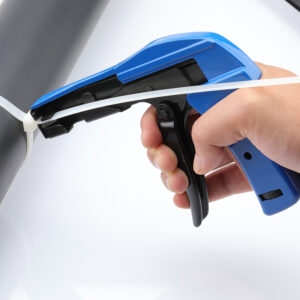
Use professional flush-cut cable tie tools
Cut straight and close to the locking head
Avoid over-tightening before cutting
Replace worn tools regularly
Choose high-quality nylon ties with consistent material strength
When Tool Choice Matters Most
In control panels, data centers, automotive wiring, or tight spaces, clean cuts are critical. A proper cutting tool not only improves safety but also saves time during inspections and maintenance.
FAQs
Q: Why are flush cutters better for nylon ties?
Flush cutters remove excess tie material evenly, leaving smooth edges without sharp points.
Q: Can sharp nylon tie edges damage cables?
Yes. Sharp edges can cut into insulation over time, especially in vibrating environments.
Q: Are premium nylon ties easier to cut cleanly?
Yes. High-quality nylon ties have uniform density, allowing smoother and safer cuts.
Conclusion
You can eliminate sharp edges on nylon ties by avoiding common cutting mistakes and using the right tools. Niuli Electric offers high-quality nylon cable ties and professional cutting solutions designed for safety, durability, and clean finishes. Choose Niuli Electric to make every installation safer and more professional.