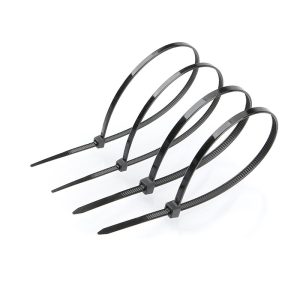
In freezing environments, cable ties must withstand extreme cold to ensure your cables remain securely fastened. Low temperature resistant cable ties are specially designed for these conditions. In this blog, we’ll guide you through the best practices for using these ties to optimize performance and prevent failures in harsh environments.
What Are Low Temperature Resistant Cable Ties?
Low temperature resistant cable ties are made from materials that retain their strength and flexibility even in extremely cold conditions. They are typically constructed from nylon, polyethylene, or other specialized polymers that can withstand freezing temperatures without becoming brittle or losing their gripping power.
These cable ties are often used in outdoor or industrial environments where temperatures can drop below freezing, such as in refrigeration units, outdoor power systems, or arctic conditions.
Why You Should Use Low Temperature Resistant Cable Ties
Standard cable ties may become brittle and break in freezing temperatures, potentially leading to cable disconnections or damage. Low temperature resistant cable ties, on the other hand, are engineered to stay intact and functional, making them crucial for reliable cable management in cold conditions.
Benefits:
Durability in Extreme Cold: Designed to remain flexible and strong even in subzero temperatures.
Prevents Failure: Reduces the risk of breakage and failure in harsh, cold environments.
Long-Term Reliability: Ensures cable ties last longer in freezing conditions compared to standard ties.
Best Practices for Using Low Temperature Resistant Cable Ties
Choose the Right Type for Your Environment
Before selecting a cable tie, ensure it is rated for the specific temperatures you expect. Many low temperature resistant cable ties can handle temperatures as low as -40°C (-40°F) or even lower, but always check the product specifications for precise temperature ranges.
Install Properly to Maximize Grip
To get the best performance out of your cable ties, make sure to install them tightly around the cables. This will prevent them from loosening over time. However, avoid overtightening, as this can cause damage to the cable insulation or the tie itself, especially in freezing conditions where materials are more prone to cracking.
Use the Right Size Tie
Always choose a cable tie that matches the size of the cable bundle you are securing. Using a tie that is too small can strain the material, while a tie that is too large might not provide the necessary hold. The proper size ensures maximum grip and longevity.
Avoid Direct Exposure to UV Light
Low temperature resistant cable ties are designed for cold environments, but direct exposure to UV rays from the sun can degrade them over time. If possible, use protective covers or install cables in areas that are shielded from direct sunlight.
Inspect Regularly
Even low temperature resistant cable ties can experience wear and tear over time. Regularly check the ties for signs of brittleness or damage, particularly in areas exposed to extreme cold. Replace any ties that show signs of wear to maintain optimal cable management.
FAQs
Can low temperature resistant cable ties be used indoors?
Yes, they can be used indoors, but they are specifically designed for environments where freezing temperatures are expected. For indoor applications in warmer climates, standard cable ties may be sufficient.
How do I know if I need low temperature resistant cable ties?
If your cables are being used in environments where temperatures regularly fall below freezing, such as refrigeration units, outdoor installations, or cold storage areas, low temperature resistant ties are a must.
Are low temperature resistant cable ties reusable?
Most low temperature resistant cable ties are designed for single-use. However, if they remain intact after installation and are not exposed to stress, they can potentially be reused.
Can low temperature resistant cable ties handle heavy loads?
While these ties are durable in cold environments, if you need to secure heavy loads, choose ties specifically rated for high tensile strength. Low temperature resistant ties come in various strengths, so always match the tie’s specifications to your needs.
Are there other cable management solutions for freezing environments?
Yes, in addition to low temperature resistant cable ties, you can also consider using cable clips or clamps designed for harsh conditions, as well as insulation materials to further protect cables in extremely cold environments.
Conclusion
Low temperature resistant cable ties are essential for ensuring secure cable management in freezing environments. By following these best practices, you can extend the life of your cables and prevent costly failures. Niuli Electric offers high-quality cable ties designed for even the harshest conditions, ensuring reliability in cold weather installations.